In the design of modern medical devices and high-end intelligent equipment, mobility is far more than an afterthought—it is a critical element of operational workflow and safety. Mobile platforms like hospital beds, surgical carts, and heavy diagnostics machines require responsive movement and reliable, instantaneous immobilization. While traditional separate-braking systems require operators to lock each wheel individually, modern engineering relies heavily on integrated central control networks to ensure flawless stability.
Choosing a high-performance central lock caster network involves looking past the surface components. It requires an understanding of precise mechanical sync, complex internal linkages, and advanced material science. This engineering whitepaper breaks down the mechanics of synchronized braking, evaluates key technical design parameters, and provides a clear framework for specifying advanced centralized mobility systems.
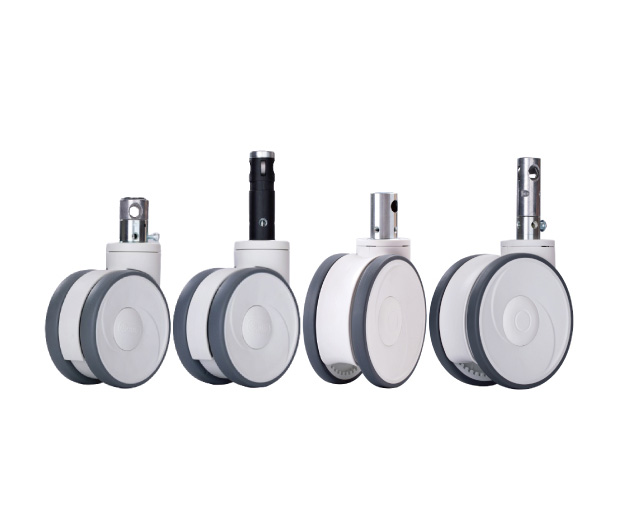
Mechanical Principles: Understanding the Wheels Central Locking System: How Simultaneous Braking Enhances Stability
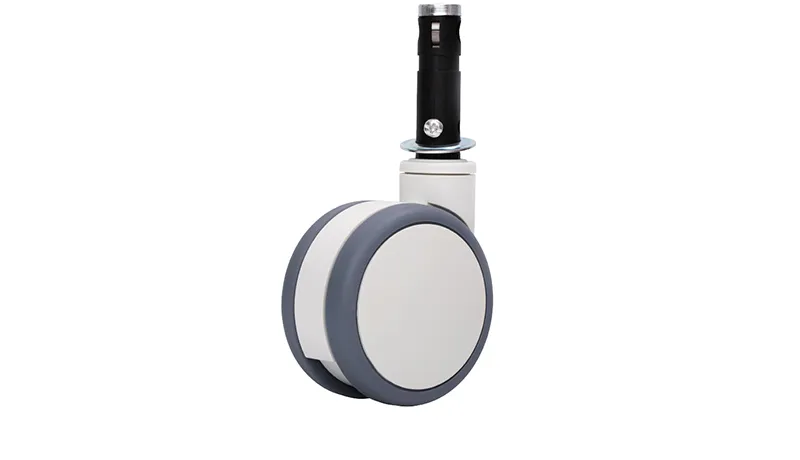
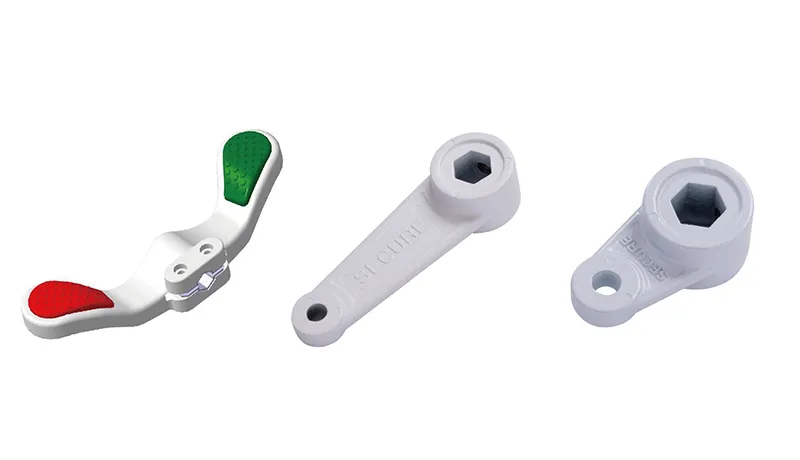
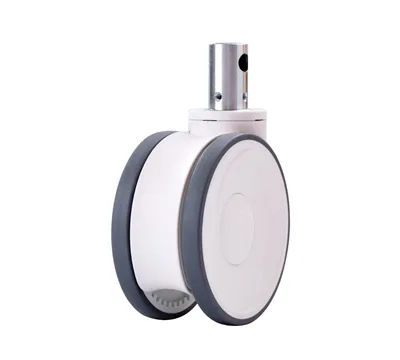
The fundamental value of a wheels central locking system lies in its ability to simultaneously control multiple wheels from a unified actuation point. Unlike standard independent casters, which force operators to bend down and engage individual pedal locks on each corner of a chassis, a centralized system links all units through an internal cam mechanism and a rigid control rod.
When an operator presses a single, centrally located foot pedal, the rotational force transfers through the internal linkages to engage the locking mechanisms on every caster across the frame simultaneously. This setup offers crucial physical and practical benefits:
Torsional Rigidity: Simultaneous engagement prevents the uneven chassis twisting or shifting that often happens when wheels are locked one by one on heavy machinery.
Instantaneous Stability: In high-pressure environments, it provides quick, single-step stabilization, eliminating any risk of the equipment drifting or pivoting during critical procedures.
Reduced Component Stress: Spreading the braking forces evenly across the entire structural frame reduces localized stress concentrations on individual mounting points, extending the overall service life of the machine's structural chassis.
Operational Architecture: The Difference Between a Standard Central Caster and Multidirectional Lock Mechanisms
To specify the right component architecture, it is essential to distinguish between a basic central caster configuration and advanced multidirectional locking mechanisms. Standard swivel locks typically lock the wheel's pivot rotation along a single axis, turning a swiveling unit into a rigid, fixed one. While this helps with straight-line tracking over long distances, it does not stop the vehicle from rolling forward or backward.
Advanced central locking casters use a multi-stage cam system that usually offers three distinct operational modes through a single control rod:
Operational Mode | Internal Mechanical State | Primary Application Scenario |
Directional Lock (Tracking) | The swivel head locks parallel to the chassis frame, while the wheel stays free to roll forward and backward. | Long-distance transport down straight hospital or industrial corridors; prevents trailing fishtail effects. |
Free Swivel (Total Agility) | Both the swivel head and the wheel core rotate completely freely through a full 360 degrees. | Tight-radius steering, lateral crabbing, and navigating crowded, small treatment or storage rooms. |
Total Lock (Full Brake) | The internal cam engages a dual-action mechanism, locking both the swivel head and the wheel rotation simultaneously. | Secure positioning during stationary patient transfers or precision equipment operation; completely eliminates drift. |
Material & Engineering Standards: Design Specs of High-Performance Central Locking Casters for Cleanroom and Medical Standards
Industrial and medical equipment must perform consistently under tough conditions, including heavy load shifts, regular chemical washdowns, and continuous use. High-grade central locking casters must be engineered with specific premium materials and structural features to meet these strict standards:
1. Structural Housing Material
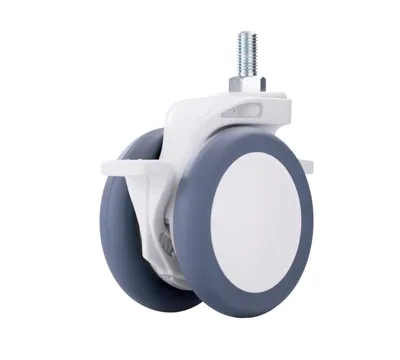
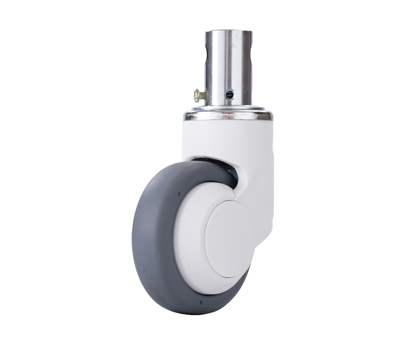
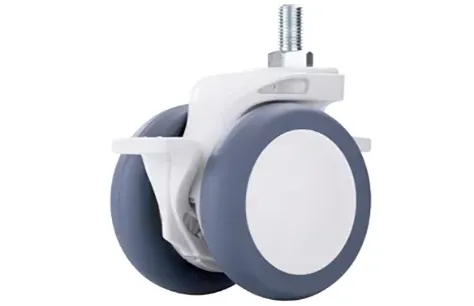
The main caster body should be cast from high-tensile, fiber-reinforced polymers like premium Polyamide 6 (PA6) or integrated metal-reinforced frames. This design ensures complete resistance to rust, prevents structural warping under maximum loads, and provides a smooth surface that resists the accumulation of dust and hair.
2. Tread Formulation and Floor Synergy
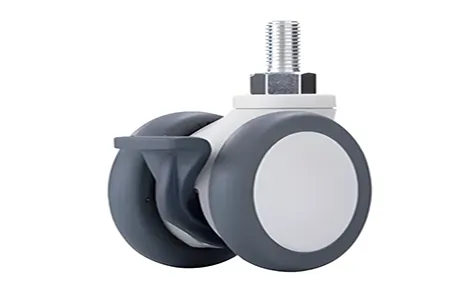
The outer tread layer must balance quiet movement with lasting durability. Medical-grade Thermoplastic Polyurethane (TPU) or specialized Thermoplastic Elastomer (TPE) compounds offer exceptional floor protection, absorb structural vibrations, and leave no marks on treated floors. Additionally, these materials maintain excellent traction to prevent slipping when the total lock is fully engaged on slick tile or polished concrete surfaces.
3. Sealed Precision Bearing Architecture
The internal swivel head and wheel core should feature fully enclosed, dual precision ball bearings. This sealed design protects the internal rolling elements from fine lint, hair, dust, and moisture. It ensures smooth, low-effort steering and keeps the rolling noise well below strict healthcare acoustic limits.
Fleet Selection Checklist: How to Spec the Right Central Locking Wheels for Hospital Beds and Mobile Workstations
When planning a fleet-wide deployment or specifying a new equipment line, engineers should use a structured checklist to ensure the selected central locking wheels match the chassis's functional goals:
Dynamic Load Distribution: Calculate the total weight of the machine at its maximum capacity, including any potential uneven payload distributions. Ensure the rated load capacity of three casters can support the total gross vehicle weight to provide a safe operational margin.
Cam Profile Compatibility: Verify that the internal hex or round cam rod receiver matches the equipment's existing mechanical pedal linkage system to avoid slack or binding during use.
Wheel Core Design (Twin vs. Single): For heavy diagnostic carts or high-profile hospital beds, twin-wheel configurations distribute weight over a wider surface area. This design reduces rolling resistance and lowers the force required to start moving, while single-wheel options provide an economical solution for lighter utility carts.
Chemical and Sanitation Resistance: Confirm that all external housings, wheels, and internal seals can withstand regular exposure to harsh hospital-grade disinfectants, alcohol solutions, and chemical sterilization procedures without degrading.
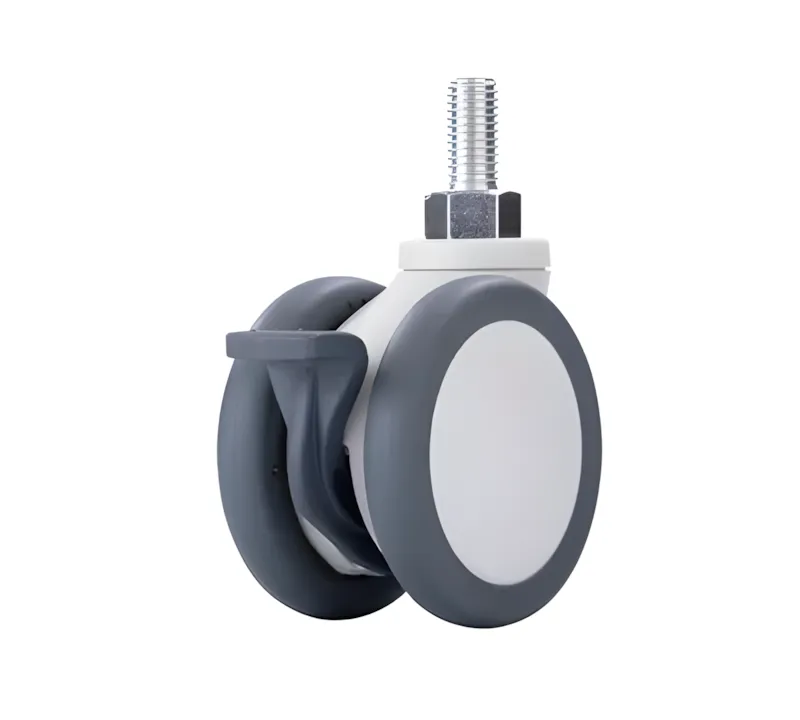
Supply Chain Excellence: Scale Securely: Why Global OEMs Choose SECURE Casters for Advanced Mobility Solutions
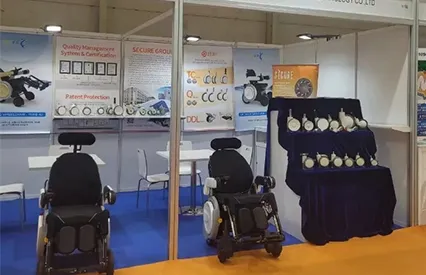
Integrating a reliable wheels central locking system into high-end hardware requires premium manufacturing standards and a dependable, scalable supply chain. SECURE Casters provides high-performance, precision-engineered mobile drive solutions for medical, logistics, and smart equipment manufacturers worldwide.
Manufacturing Metric | SECURE Casters Capability Specifications |
Production Capacity | Modern, self-owned factory delivering an annual output of over 3 million high-end caster sets. |
Product Portfolio Scale | Diverse premium series (TN, TC, FC, MC, Q, AC) with wheel diameters ranging from 75mm to 200mm. |
Quality & Customization | Advanced OEM/ODM capabilities supporting custom central linkage rod designs, specialized mounting steps, and tailored material durometers. |
Our advanced Central Lock Caster series is engineered with a high-precision internal mechanism that ensures immediate, smooth transition between directional tracking, free-swiveling agility, and complete structural lock. By managing everything from initial material compounding to final precision tolerance testing in-house, SECURE Casters guarantees silent operation, excellent floor protection, and long-term durability across your entire equipment fleet.
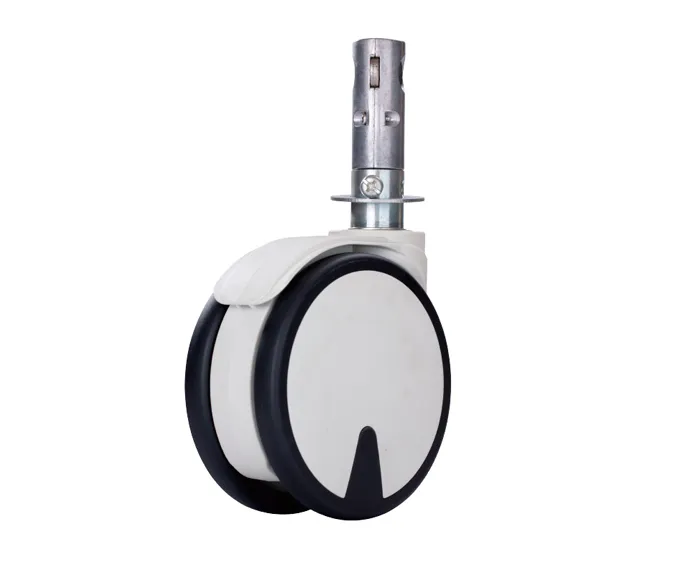
Conclusion: Future-Proofing Mobile Hardware with Precision Central Lock Caster Integration
The choice of mobile infrastructure directly impacts the operator's control, patient safety, and the long-term reliability of advanced equipment. Relying on basic independent brakes often leads to inconsistent locking, increased tracking drift, and unnecessary physical strain on operators. Upgrading to an integrated wheels central locking system optimizes your platform's tracking and ensures complete structural stability with a single, simple movement.
Using high-performance mobility solutions protects your equipment investment and ensures smooth, safe operation in demanding commercial and medical settings. If you are ready to enhance your equipment line with reliable central control technology, contact us today. Our engineering team is ready to provide the exact technical specifications and custom configurations required for your next-generation product design.