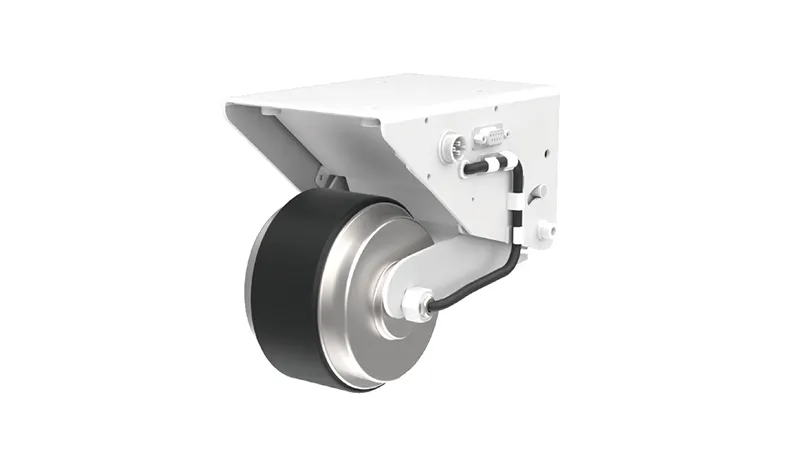
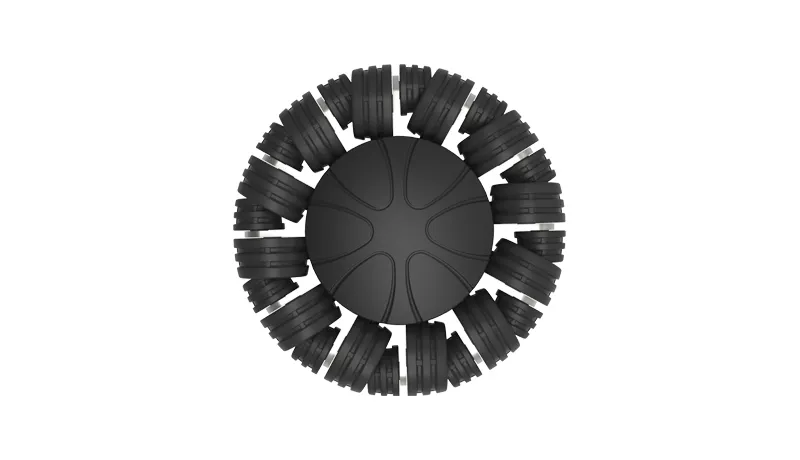
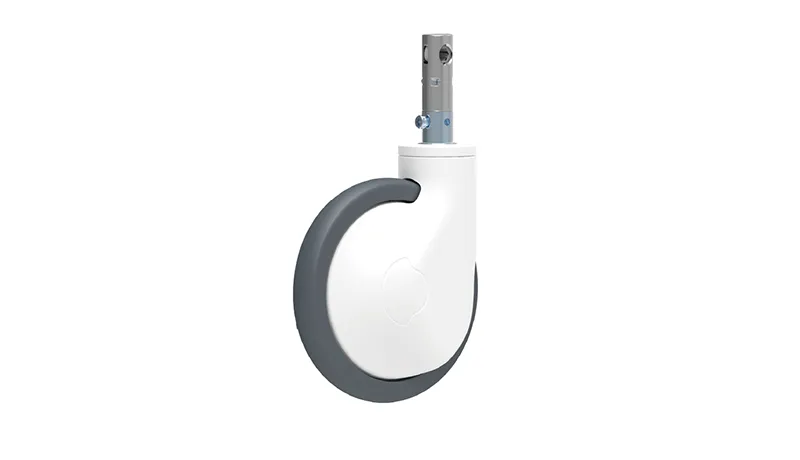
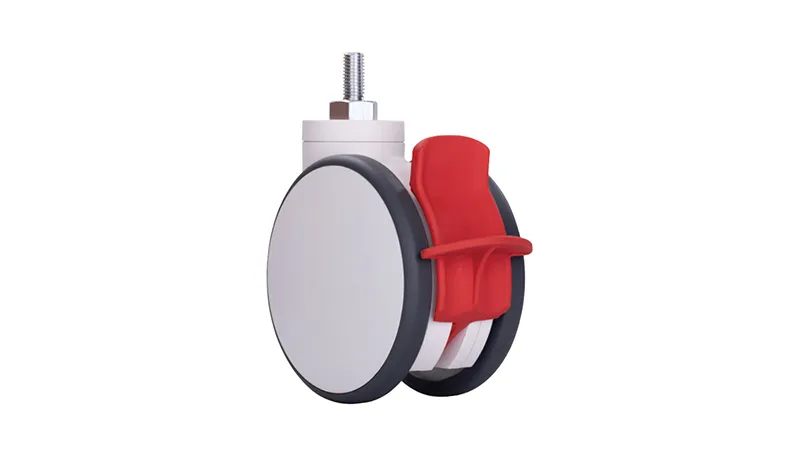
When designing high-value mobile systems—such as industrial Autonomous Mobile Robots (AMRs), critical medical devices, or high-end commercial imaging displays—selecting the underlying kinetic infrastructure dictates the platform's long-term field reliability. Engineers are frequently faced with a fundamental component choice: single-wheel vs. twin-wheel configurations. While single-wheel components are common for basic utility carts, high-performance applications demand a more sophisticated approach to handling weight distribution, directional tracking, and starting resistance.
For systems requiring flawless, multi-vector movement within tightly constrained architectural footprints, deploying standard single wheels can introduce operational failure points. To optimize tracking accuracy and floor preservation, specialized twin wheel casters have become the industry standard. This comprehensive guide breaks down the physical mechanics, material properties, and long-term Total Cost of Ownership (TCO) benefits of switching to professional-grade double wheel casters.
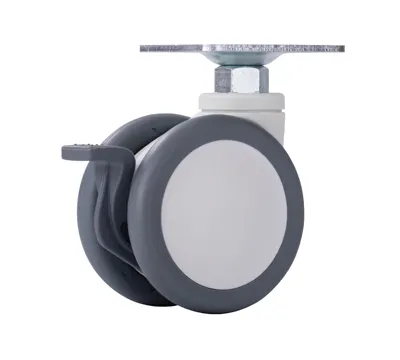
The Mechanics of Turning: Why Modern Medical Equipment Demands Double Wheel Casters
In demanding clinical and automated spaces, the physical effort required to initiate a turn—known as starting resistance or pivoting friction—presents a major mechanical challenge. When a single-wheel caster is forced to pivot 180 degrees from a stationary position, the entire tire tread creates a heavy scrubbing action against the floor material. This scraping motion increases the initial push-pull force required by personnel and can cause sudden, jarring vibrations that threaten sensitive internal electronics.
This operational risk is entirely resolved by the physical differential action built into double wheel swivel casters.
Turning Dynamics Metric | Single Wheel Configuration | Double Wheel Swivel Casters |
Pivoting Action | Single axis scraping (High friction scrubbing) | Independent micro-differential rotation |
Initial Starting Push-Force | High (Requires significant manual effort) | Ultra-Low (Smooth multi-vector initiation) |
Pivoting Footprint Radius | Wider clearance area required | Ultra-compact zero-radius turning footprint |
Directional Drift | Prone to over-correction tracking errors | True-line tracking along precise directional paths |
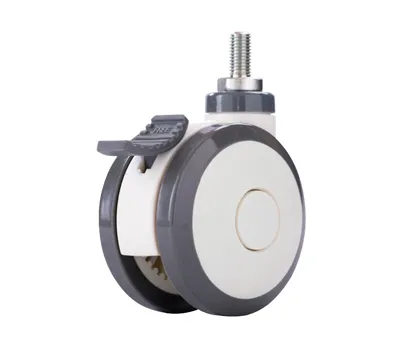
By splitting the load across two separate wheel treads on a single axle, a dual wheel swivel caster allows the individual wheels to spin in opposite directions during sharp pivot turns. One wheel rolls forward while its companion rolls backward. This micro-differential movement profile eliminates heavy floor friction, providing smooth, low-effort steering that is essential for maneuvering heavy diagnostic carts through tight, high-traffic spaces.
Structural Stability and Floor Protection: The Engineering Advantages of Casters Dual Wheel Layouts
For equipment designers and facilities managers, balancing high load capacities with long-term floor preservation is a constant priority. Heavy medical carts, mobile server racks, and automated retail kiosks can apply intense localized pressure to flooring surfaces, leading to tracking wear, permanent indentations, and structural damage over time.
Choosing high-quality casters dual wheel arrays or dual wheel casters provides a critical advantage by expanding the total physical footprint of the wheel assembly.
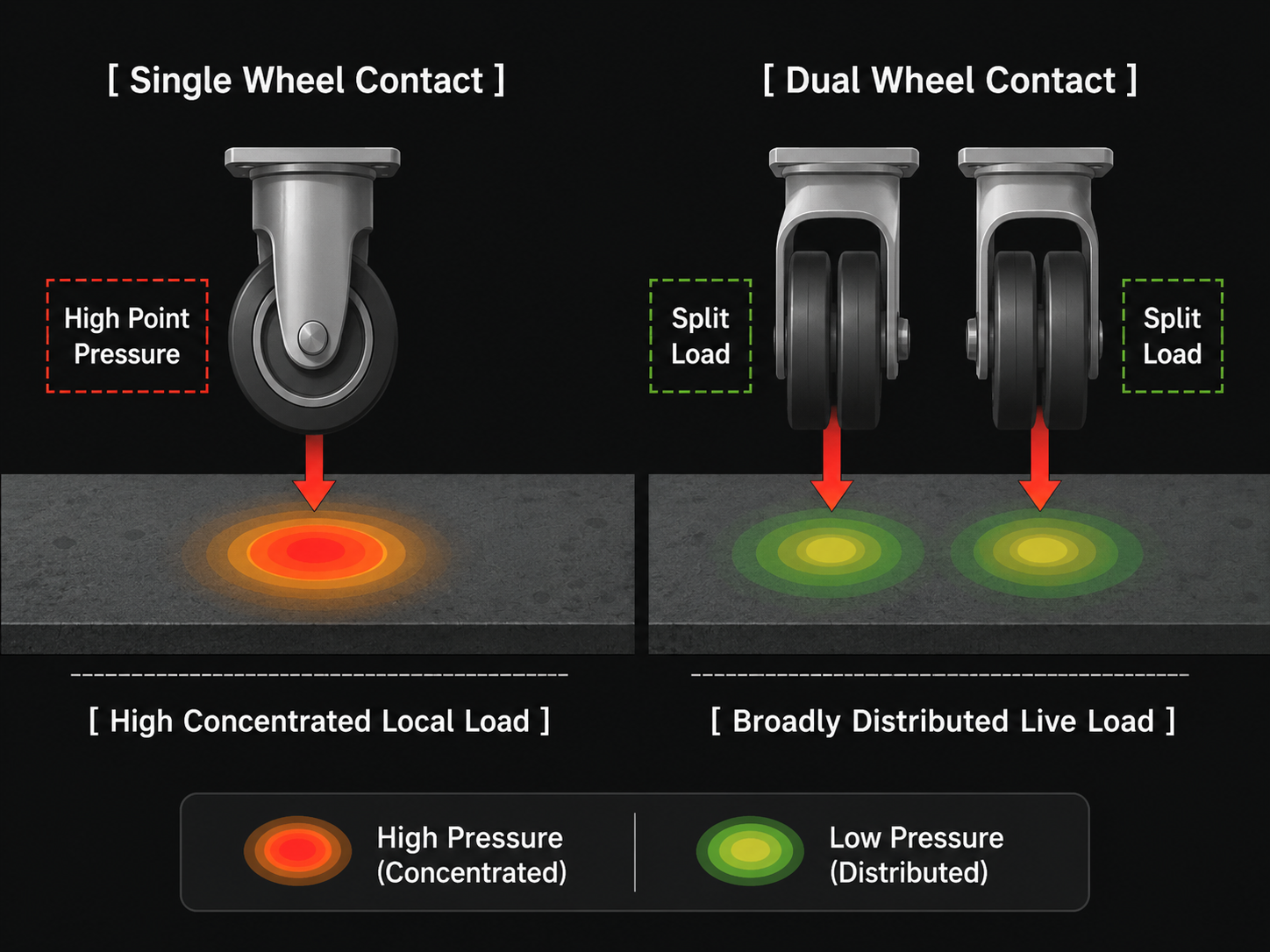
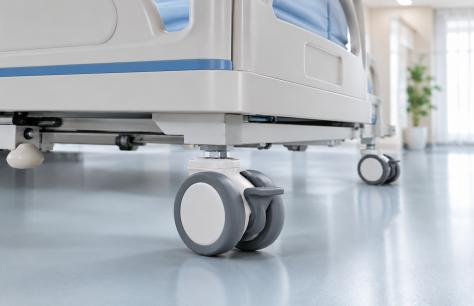
By spreading the equipment's weight across parallel tread contacts, dual casters cut local floor-point pressure in half compared to single-wheel setups with identical weight ratings. This broad load distribution keeps the wheel assemblies from sinking into or chewing up premium commercial carpets, vinyl composition tile (VCT), or specialized seamless resin laboratory flooring.
Additionally, using symmetrical twin wheel casters increases the platform's lateral stability. The wider tracking base minimizes physical sway and top-heavy tip risks when top-heavy diagnostic modules move over uneven surface heights, such as elevator thresholds or expansion joints.
The Acoustics of Silence: Meeting Cleanroom and O.R. Standards with Noise-Free Twin Caster Wheels
Modern healthcare, cleanroom, and automated lab facilities operate under strict sound-level and sterility standards. Acoustic pollution in these spaces can disrupt focus and compromise patient care, making noise management a core consideration during the product design phase.
Standard industrial casters often use single, hard-tread wheels that transmit click-clack tracking echoes and vibrations directly up into the device's chassis. Upgrading to high-end twin caster wheels eliminates this source of environmental noise.
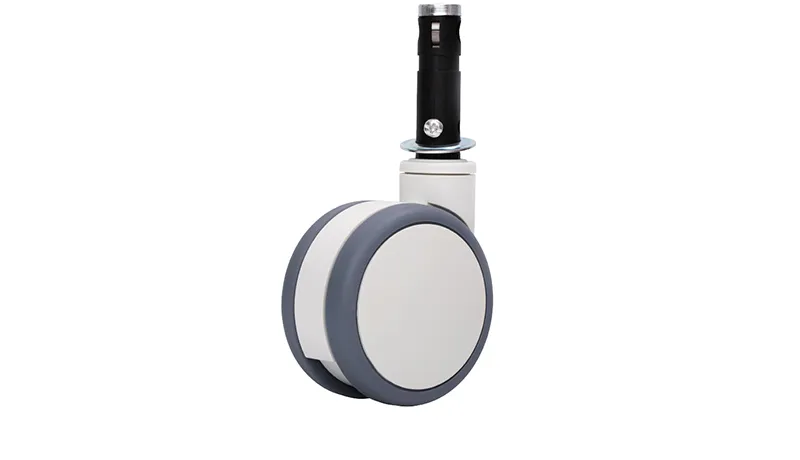
Advanced double wheel solutions manufactured by SECURE feature a specialized, overlapping sub-roller design paired with dual precision ball bearings sealed directly within the center hub. This design ensures fluid, continuous floor engagement that absorbs structural micro-shocks before they turn into airborne sound.
Quiet Fluid Mobility: Smooth, uninterrupted tracking reduces travel noise to an almost silent level, maintaining focus in critical environments like intensive care units and executive boardroom spaces.
Non-Marking Treads: Using soft, medical-grade Thermoplastic Polyurethane (TPU) or Thermoplastic Elastomer (TPE) ensures silent operation without leaving behind dark tracking marks or scuff lines on cleanroom floors.
Chemical Stability and Fleet Longevity: How Dual Locking Casters Resist Intensive Disinfection
Mobile assets used in medical environments, clinical laboratories, and food processing plants must endure frequent, aggressive sanitization protocols. Constant exposure to harsh chemical disinfectants, steam washdowns, and biological fluids can quickly degrade low-grade hardware, leading to rusted bearings, frozen brakes, and structural wheel failure.
To maintain fleet uptime under these extreme conditions, integrating high-grade dual locking casters into your product layout is essential.
The Durability Standard: Premium twin wheel castors use high-performance Polyamide 6 (PA6) for their structural frames. This advanced material is highly resistant to strong chemical washdowns, preventing cracking and material degradation even under daily exposure to isopropyl alcohol, chlorine compounds, and quaternary ammonium solutions.
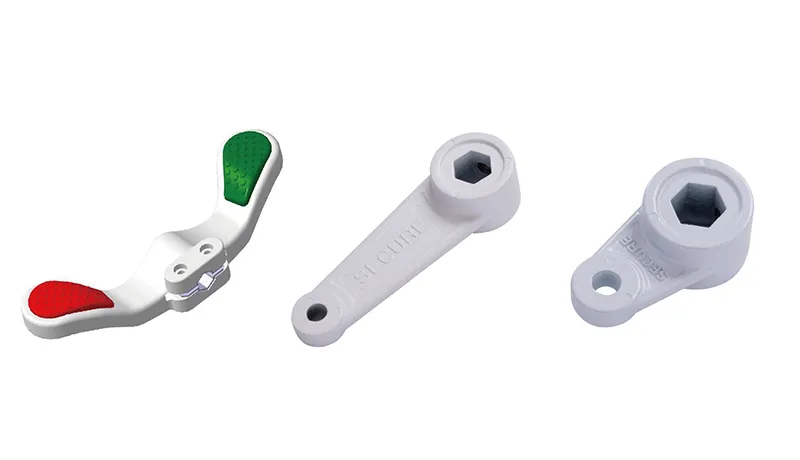
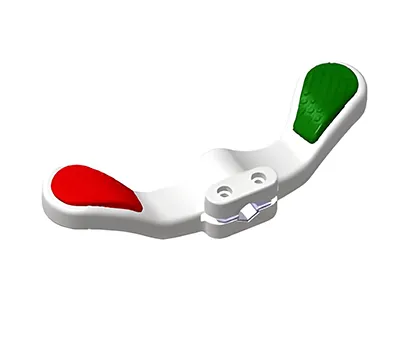
Furthermore, outfitting vehicles with dual locking casters provides reliable safety when stationary. These systems use an integrated total-lock braking mechanism that stops both wheel rotation and swivel tracking simultaneously. This dual-action lock ensures absolute stability, keeping high-value platforms securely anchored on sloped ramps or slick tile floors.
Custom Engineering for Tomorrow: Scalable Twin Wheel Caster Solutions from SECURE
Integrating high-performance mobility components into advanced robotic fleets or medical devices requires a reliable supply partner capable of delivering consistent quality at scale. SECURE Casters is a trusted global provider of award-winning mobile components, engineering high-grade twin wheel castors and twin wheel swivel casters that are optimized for tomorrow's automation needs.
Engineering & Supply Capability | SECURE Manufacturing Metric Specifications |
Design Innovation | Awarded the prestigious German iF Design Award for outstanding achievement in high-precision wheel engineering and industrial styling. |
Production Scale | Self-owned, fully automated manufacturing plant delivering an annual production output exceeding 3 million premium caster sets. |
Versatile Selection | Available wheel diameters ranging across standard 75mm, 100mm, 125mm, and 150mm configurations to match diverse load requirements. |
Mounting Customization | Complete OEM/ODM integration options, including threaded stems, solid plug-in pins, expandable friction rings, and heavy-duty top plates. |
Our advanced Twin Wheel Caster designs feature an enclosed housing that shields internal bearings from dust, loose threads, and hair, preventing premature wheel lockups and extending component service life. Whether your engineering team is designing a new fleet of hospital carts or configuring a custom mounting setup for autonomous mobile robots, SECURE provides the precise twin wheel caster solutions required to keep your systems moving smoothly.
Conclusion: Elevating Equipment Reputation with Certified Twin Wheel Castors
When choosing components for high-precision, premium equipment layouts, relying on single-wheel casters can lead to long-term performance bottlenecks. The increased starting resistance, potential tracking slip, and concentrated floor pressure of single-wheel designs can lead to premature component wear and higher maintenance overhead for your customers.
Upgrading to premium SECURE twin wheel swivel casters or heavy-duty twin caster arrays helps protect your equipment's operational reputation. This configuration provides the smooth movement, floor preservation, and whisper-quiet tracking that modern professional environments demand.
If you are ready to enhance your product lines with award-winning mobility components, view our full selection of high-performance Twin Wheel Caster models or contact us today to collaborate directly with our engineering team on your next custom project.