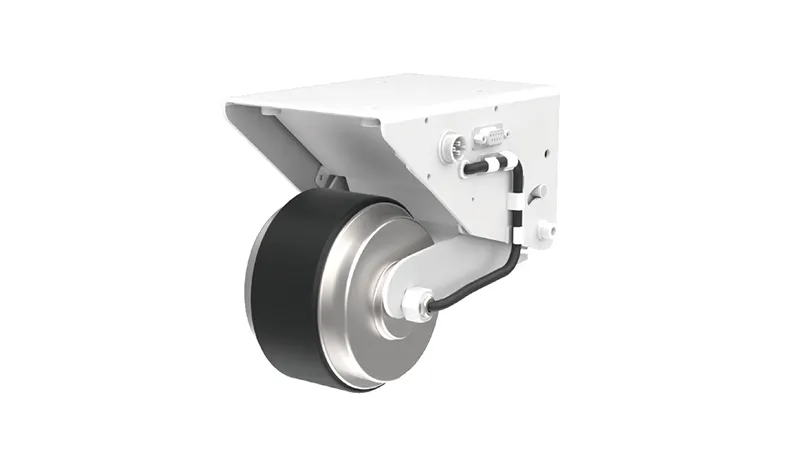
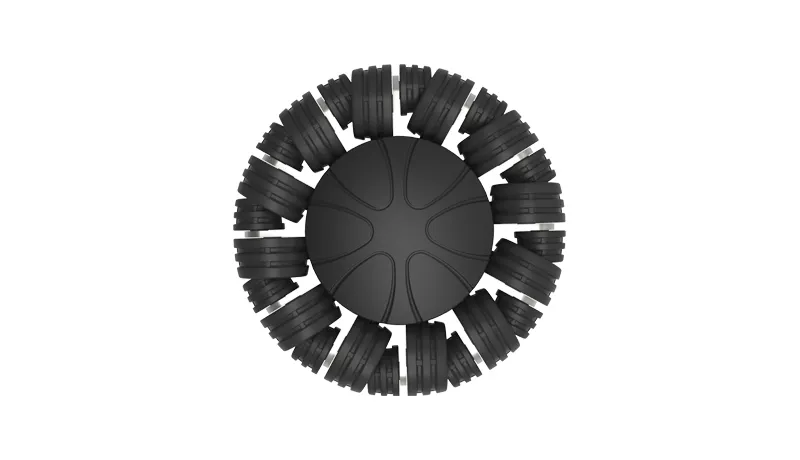
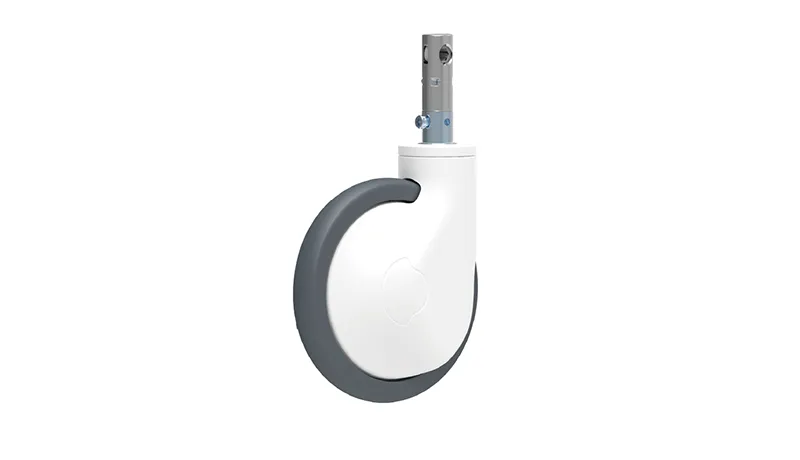
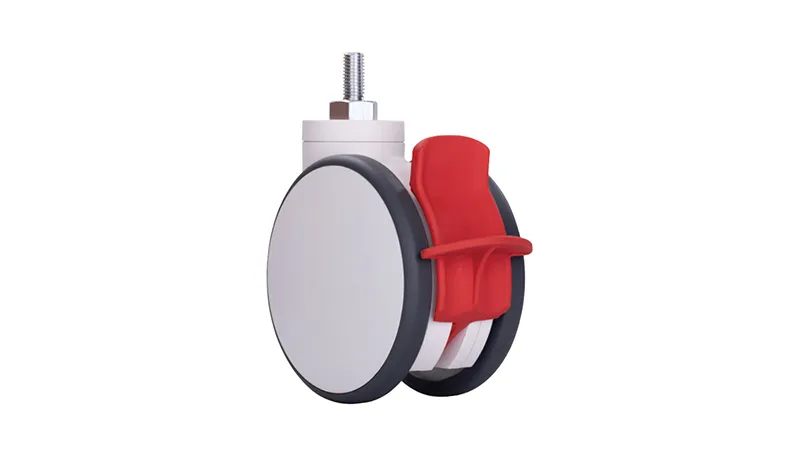
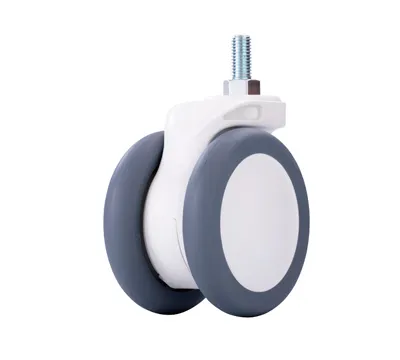
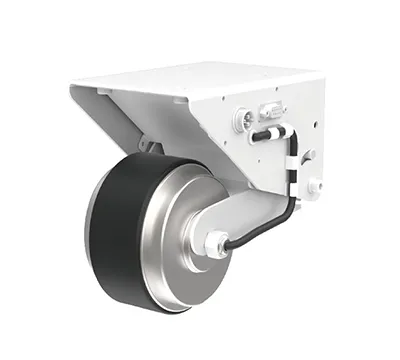
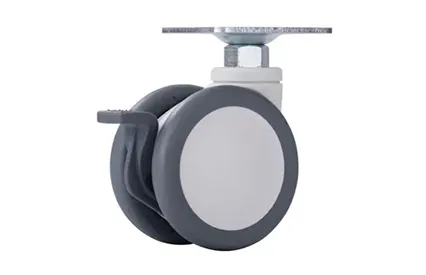
For hospital beds and patient transfer equipment, caster braking is directly connected to operational safety. Central locking casters allow multiple wheels to be controlled through a linked brake system, making it easier for caregivers to move, position and secure the bed. Compared with ordinary brake casters, a central lock caster is designed for equipment that requires more organized braking control.
SECURE provides central locking casters for hospital beds, stretchers, nursing beds and medical equipment. This guide explains how central locking caster systems work and what buyers should confirm before selection.
What Are Central Locking Casters?
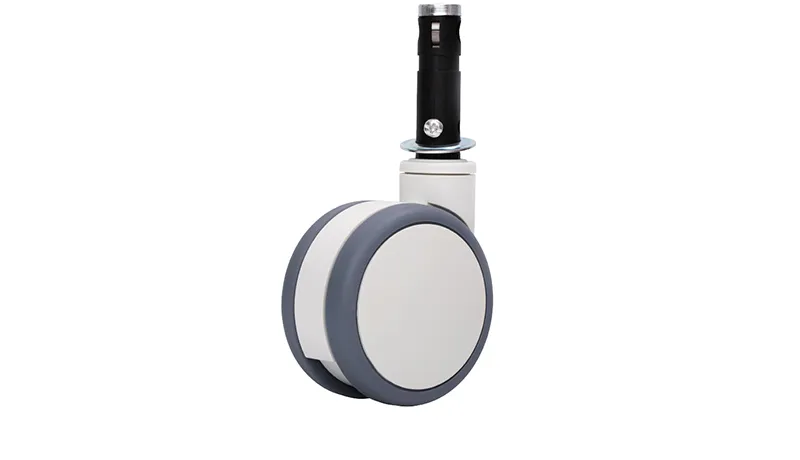
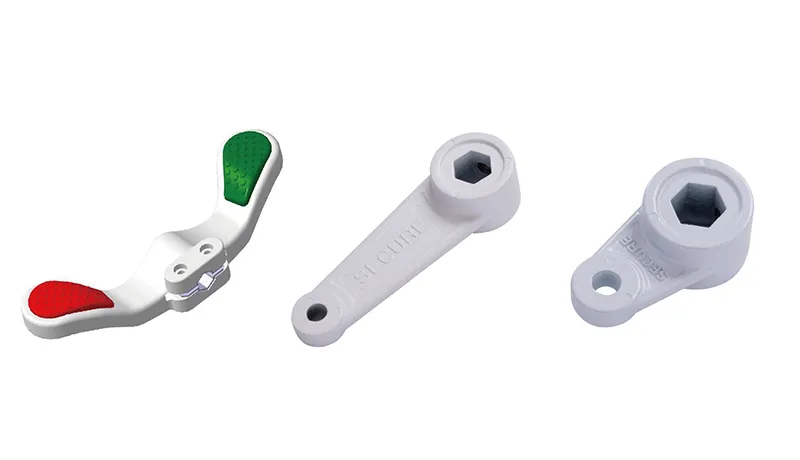
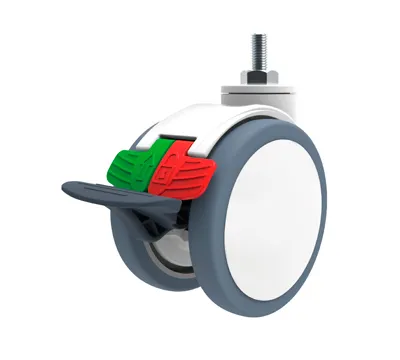
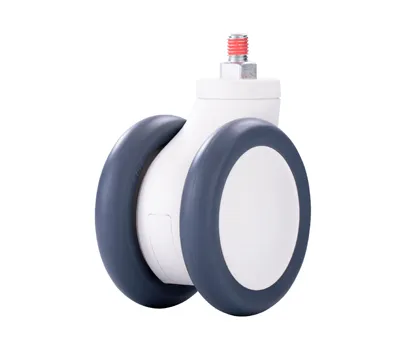
Central locking casters are caster systems that connect the wheel brake function to a central control mechanism. Depending on the design, the system may support free movement, directional lock and total lock. This is useful for hospital beds because caregivers can control bed movement more efficiently during transfer, positioning and parking.
The term central locking castors is commonly used in some markets, while central locking casters is more common in others. In both cases, the product refers to a linked caster brake system used in medical equipment and hospital furniture.
Common Brake Modes for Central Locking Casters
Brake Mode | What It Does | Typical Use Case |
Free movement | Wheels can rotate and swivel freely | Moving the bed or equipment in corridors |
Directional lock | One or more wheels keep a fixed direction | Pushing the bed in a straight line during transfer |
Total lock | Wheel rotation and swivel are locked | Parking the bed safely during treatment or rest |
For hospital beds, these three modes help balance movement flexibility and safety. The exact function depends on the caster structure, pedal design and bed frame system.
Load Capacity and Wheel Diameter Selection
A central lock caster should be selected according to total working weight, not only the empty equipment weight. For hospital beds, the total working weight may include bed frame, mattress, accessories and patient load. Buyers should also leave a safety margin because the load may not be distributed evenly on all wheels.
Selection Factor | What to Confirm | Why It Matters |
Wheel diameter | Common medical sizes may include 75mm, 100mm, 125mm, 150mm or 200mm depending on series | Larger wheels generally roll more smoothly and cross small gaps more easily |
Load capacity | Equipment weight, patient load and load per caster | Prevents overloading and improves long-term reliability |
Brake mode | Directional lock, total lock or three-position central lock | Affects safety, control and daily operation |
Tread material | TPU, TPE or other medical-grade options depending on product series | Influences noise, floor protection and wear resistance |
Housing material | PA, aluminum or metal housing depending on series | Affects strength, appearance and application suitability |
Installation method | Stem size, mounting code, frame design or custom structure | Ensures the caster can be assembled correctly on the bed or equipment |
Installation Factors Buyers Should Check
Before ordering central locking casters, buyers should confirm how the caster connects with the bed frame or equipment base. Installation details may include stem diameter, mounting height, pedal linkage, brake rod position and available space under the equipment.
If the caster is part of a bed braking system, the buyer should not evaluate the wheel alone. The linkage between the caster, pedal and frame is just as important. A mismatch in installation size may cause the brake to feel unstable or fail to engage correctly.
Central Locking Casters for Hospital Beds
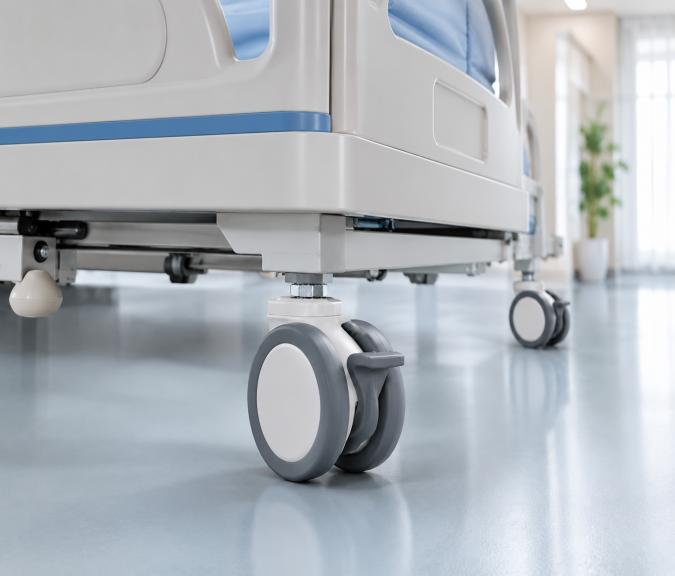
Hospital beds are the most common application for central locking casters. During patient transfer, caregivers need the bed to move smoothly and maintain direction. During treatment or rest, the bed must stay securely in position. This is why hospital bed wheels usually place strong emphasis on braking reliability and quiet rolling.
For hospital bed projects, buyers should confirm whether the bed requires a total lock, directional lock, central brake pedal or three-position control. They should also evaluate wheel tread material based on hospital floor type and cleaning requirements.
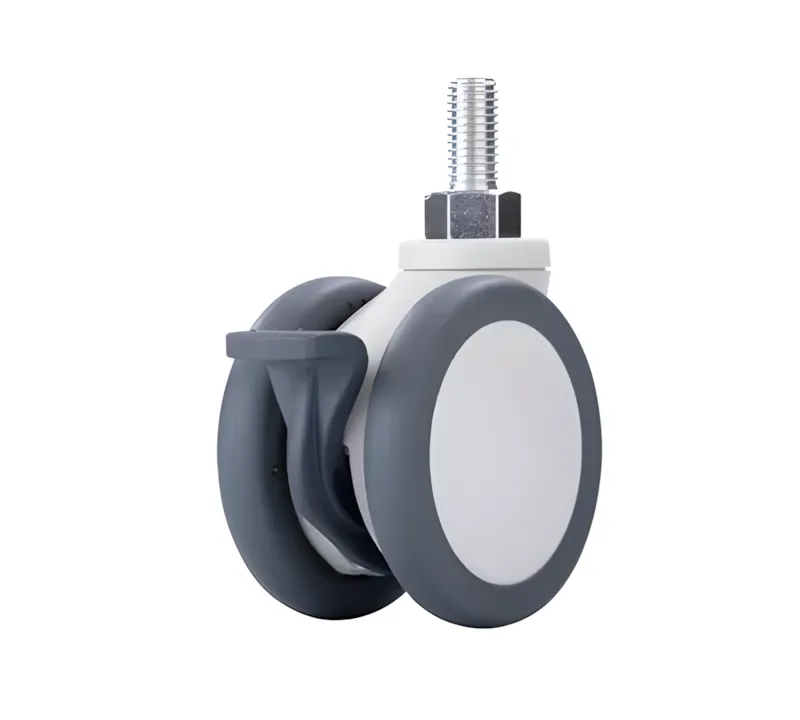
Central Locking Casters for Medical Equipment
In addition to hospital beds, central locking castors may be used on stretchers, treatment equipment, mobile platforms and large medical devices. These applications often require stable positioning after movement. If the equipment is lighter or used as a cart, standard medical cart wheels may be enough. If the equipment must be parked precisely and locked safely, a central locking system may be more suitable.
When Should You Choose a Central Lock Caster?
A central lock caster is suitable when the equipment requires one or more of the following conditions: synchronized braking, safer parking, easier directional control, frequent movement, patient transfer, heavy medical equipment or a professional hospital bed structure.
If the equipment is a simple lightweight cart, a single brake caster may be sufficient. If it is a patient bed or equipment that must be moved and locked many times every day, central locking performance becomes more important.
Conclusion
Choosing central locking casters requires more than checking wheel diameter. Buyers should confirm load capacity, brake mode, installation method, housing material, tread material and equipment structure. For hospital beds, the caster is part of the safety system, so brake reliability and installation compatibility must be reviewed carefully.
SECURE can help recommend suitable central locking caster options based on bed drawings, target load and brake requirements. For project support, visit the central lock caster product page or contact SECURE for selection assistance.
FAQ
What is a central locking caster?
A central lock caster is a caster connected to a central brake system, allowing the user to control wheel movement and locking through a linked mechanism.
Where are central locking casters used?
They are commonly used on hospital beds, nursing beds, stretchers, patient transfer equipment and certain large medical devices.
What brake modes are common?
Common modes include free movement, directional lock and total lock. The exact design depends on the equipment and caster series.
Are central locking castors suitable for medical carts?
They can be used on some medical carts, but many standard carts may only need single wheel or twin wheel brake casters. The best choice depends on load and safety requirements.