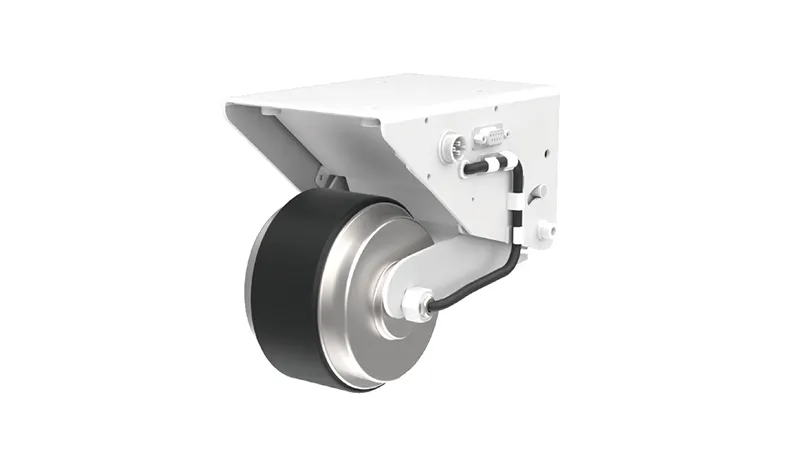
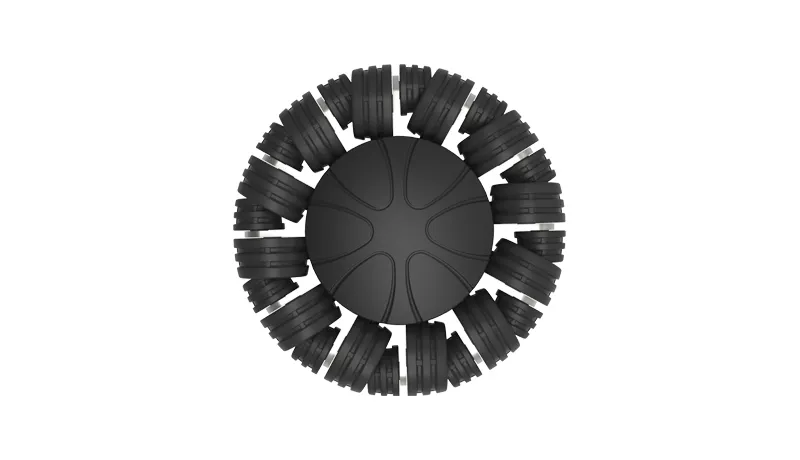
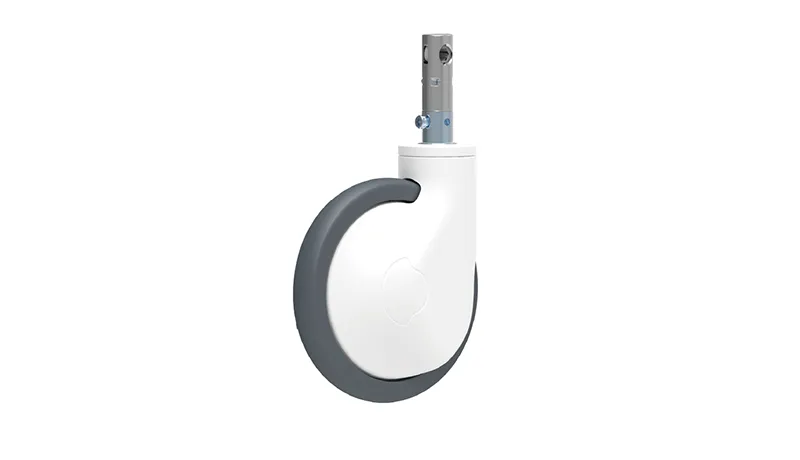
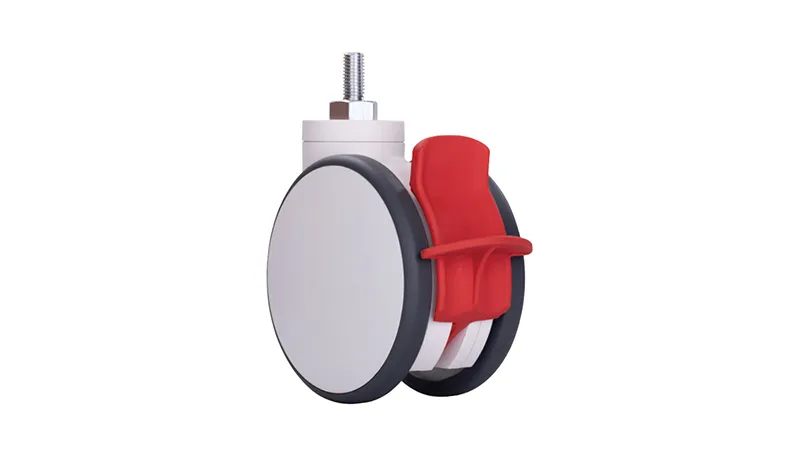
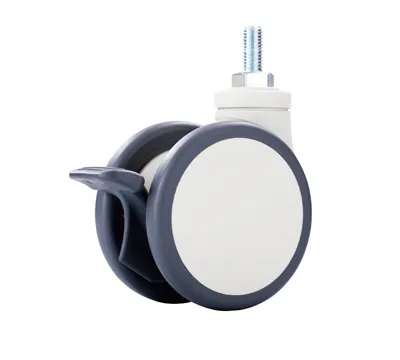
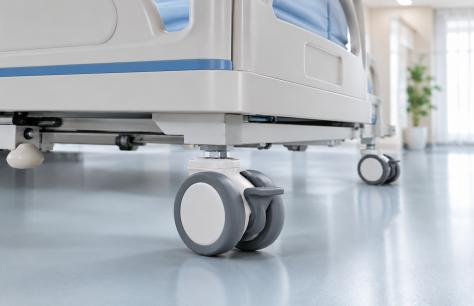
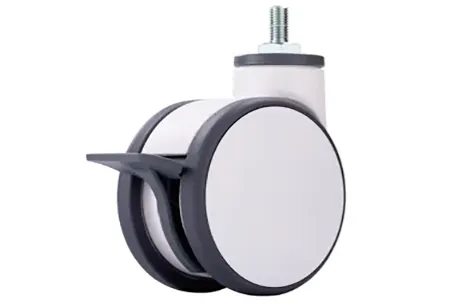
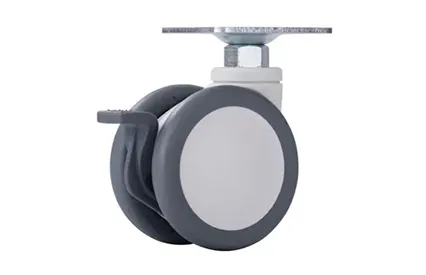
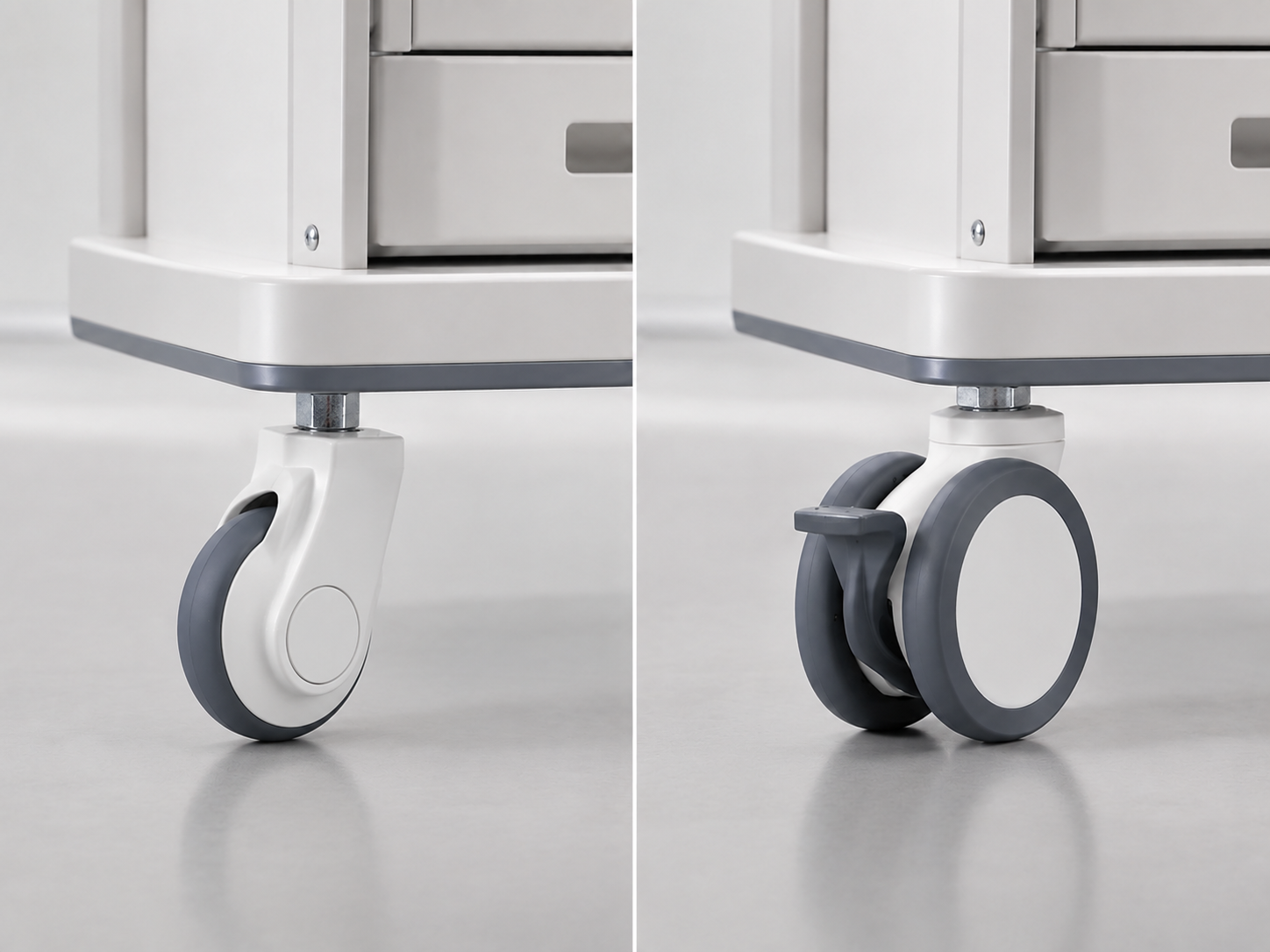
When choosing caster wheels for medical equipment, buyers often compare single wheel caster and twin wheel caster designs. Both can be used in healthcare and indoor equipment applications, but they are not designed for the same purpose. Single wheel designs are often compact and simple, while twin wheel designs can offer improved stability, better load distribution and smoother steering.
SECURE supplies both single wheel casters and twin wheel casters for medical carts, instrument stands, diagnostic equipment, mobile furniture and OEM medical devices. This guide explains when to use each option.
What Is a Single Wheel Caster?
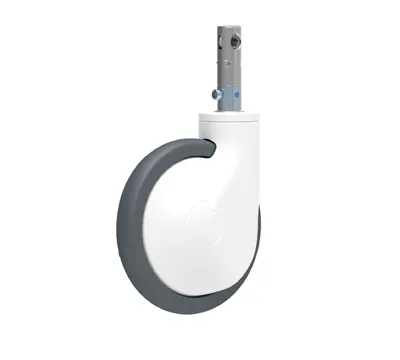
A single wheel caster uses one wheel body within the caster structure. It is often selected for light-duty or medium-duty equipment that requires compact installation, smooth rolling and flexible steering. For medical environments, single wheel casters may be used on nursing carts, instrument stands, diagnostic equipment and small trolleys.
Because the structure is relatively simple, a single wheel design can be useful when the equipment base has limited space or when the product needs a clean and compact appearance.
What Is a Twin Wheel Caster?
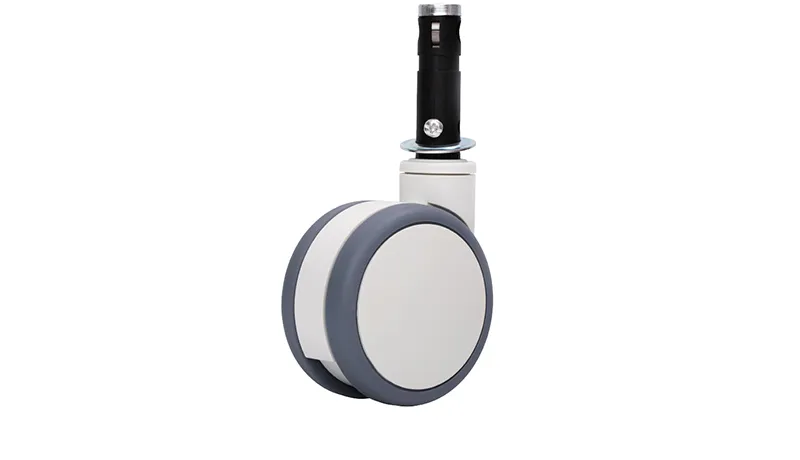
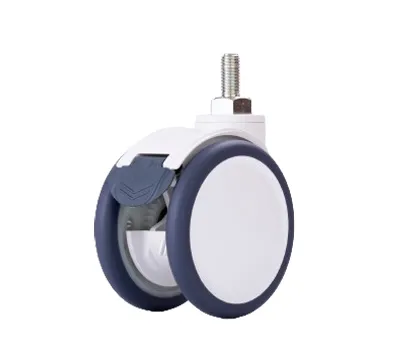
A twin wheel caster uses two parallel wheels in one caster assembly. This design can help distribute load across a wider contact area and improve steering stability. Twin wheel casters are often used on medical carts, hospital furniture, mobile workstations and equipment that requires a more stable base.
The term double wheel caster is often used to describe a similar structure. In SEO and product pages, SECURE can use twin wheel caster as the main term and mention double wheel caster naturally as a related term.
Single Wheel vs Twin Wheel Casters: Comparison Table
Factor | Single Wheel Caster | Twin Wheel Caster |
Structure | One wheel body | Two parallel wheels |
Best for | Compact equipment, light carts, instrument stands | Medical carts, mobile workstations, equipment requiring better stability |
Installation | Usually simple and space-saving | May require slightly more room depending on design |
Stability | Suitable for moderate load and compact devices | Better load distribution and balance |
Steering feel | Flexible and straightforward | Often smoother under higher load |
Appearance | Clean and simple | More premium and stable appearance |
Related SECURE page | Single Wheel Casters | Twin Wheel Casters |
When to Choose Single Wheel Casters
Choose a single wheel caster when the equipment is relatively compact, the load is moderate and installation space is limited. It is a practical option for instrument stands, small medical devices, lightweight carts and support frames.
For example, a mobile instrument stand may not need a large caster structure. The priority may be smooth movement, easy installation and a clean base design. In this case, single wheel casters can provide enough mobility without making the equipment look bulky.
Single wheel casters can also be suitable for small trolleys and office or education furniture. However, if the equipment carries heavier devices or needs better balance during movement, a twin wheel design should be reviewed.
When to Choose Twin Wheel Casters
Choose a twin wheel caster when the equipment requires more stable movement, better load distribution or smoother steering. This is common for medical carts, mobile workstations, hospital furniture and medium-load medical equipment.
Twin wheel casters can improve rolling feel because the load is shared by two wheel bodies. They may also provide a more premium appearance for equipment used in hospitals, clinics and professional care environments.
For dedicated medical cart applications, buyers can also review SECURE medical cart wheels to compare suitable caster structures by cart type and load requirement.
Application Examples
Medical carts may use either single wheel or twin wheel casters depending on cart size and load. A small nursing cart may work well with single wheel casters. A mobile workstation carrying a monitor, battery and accessories may benefit from twin wheel casters.
Instrument stands and diagnostic equipment often require easy repositioning. If the equipment is compact, single wheel casters are usually practical. If the equipment has a wider base or higher center of gravity, twin wheel casters may help improve stability.
Hospital furniture, storage units and education equipment may also use both designs. The selection should be based on total load, movement frequency, appearance and cost requirement.
How to Select the Right Caster for Your Equipment
Before selecting a double wheel caster or single wheel option, buyers should confirm equipment weight, caster quantity, wheel diameter, brake requirement, installation method and floor condition. They should also consider whether the equipment will be moved occasionally or many times each day.
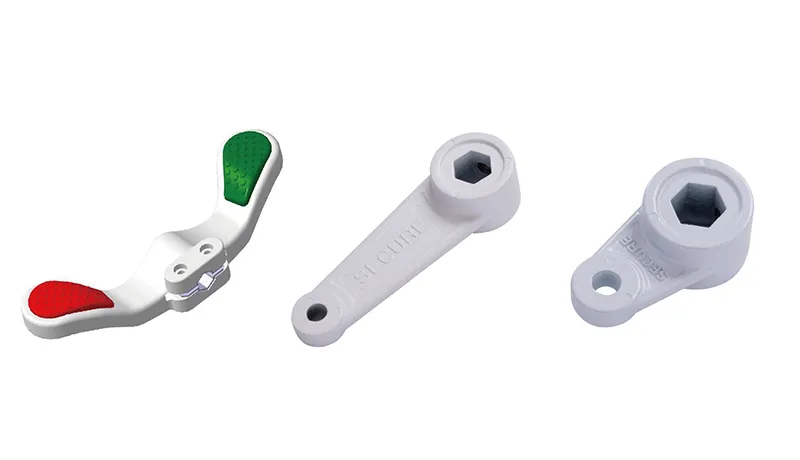
If noise matters, tread material should be reviewed carefully. If cleaning is important, the caster structure should avoid areas that are difficult to maintain. If the equipment needs to stay fixed during operation, brake design should be confirmed early.
Conclusion
The choice between single wheel caster and twin wheel caster depends on equipment structure, load, movement frequency, installation space and stability requirements. Single wheel casters are compact and practical for lighter equipment. Twin wheel casters are better for equipment that needs smoother steering, better balance and a wider rolling base.
For OEM medical equipment projects, SECURE can recommend suitable caster options based on drawings, target load and application environment. You can compare single wheel casters and twin wheel casters to start the selection process.
FAQ
What is the difference between single wheel and twin wheel casters?
A single wheel caster has one wheel body, while a twin wheel caster has two parallel wheels. Twin wheel designs usually provide better load distribution and stability.
Are single wheel casters suitable for medical carts?
Yes, they can be suitable for lightweight medical carts and compact mobile equipment. For heavier carts, twin wheel casters may be better.
What is a double wheel caster?
A double wheel caster is another way to describe a caster with two wheel bodies. It is closely related to twin wheel caster design.
Which caster is better for diagnostic equipment?
It depends on equipment weight and stability needs. Compact diagnostic equipment may use single wheel casters, while heavier devices may require twin wheel casters.