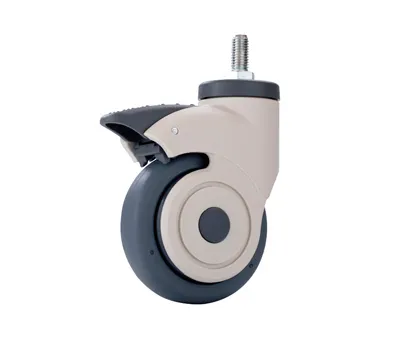
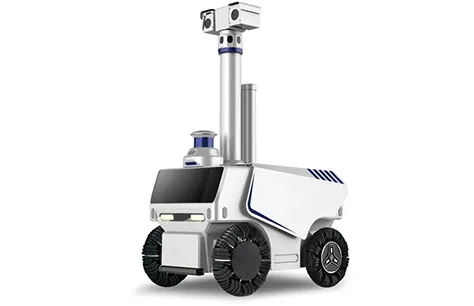
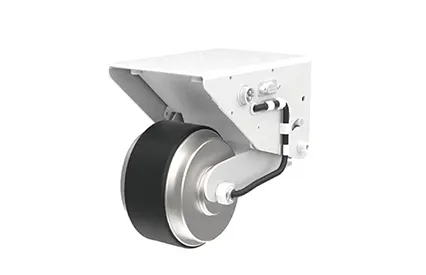
In the design of modern autonomous platforms, defining the optimal kinetic architecture is a critical step that directly dictates structural efficiency, path-planning complexity, and total maintenance overhead. When developing heavy-duty Autonomous Mobile Robots (AMRs) or high-precision medical machinery, choosing between omni wheels vs mecanum wheels is a fundamental engineering decision.
While both configurations grant platforms 360-degree, multi-vector movement without traditional mechanical steering axles, their physical execution, force vectors, and traction efficiencies are entirely different. For applications prioritizing smooth movement, energy efficiency, and long-term durability, professional-grade omni wheels increasingly emerge as the superior configuration. This comprehensive guide evaluates the core engineering differences between these two common drivetrain layouts and provides strategic insights for large-scale production rollouts.
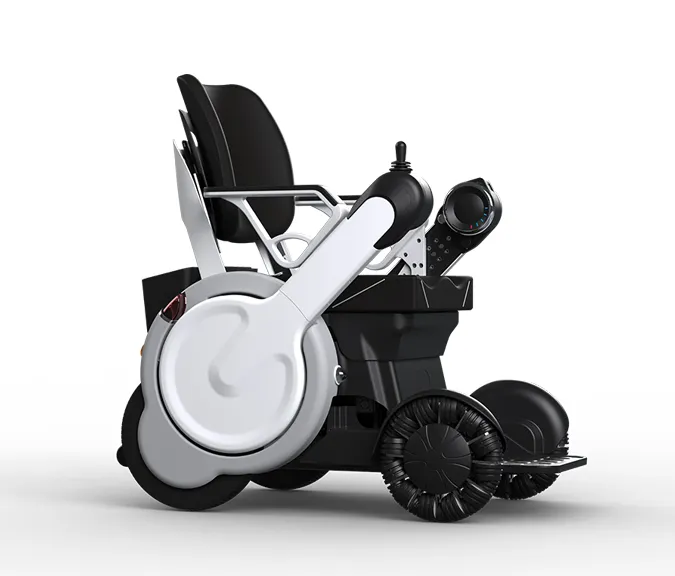
Comparing Omni Wheels vs Mecanum Wheels in Real-World Environments
To establish a reliable baseline for fleet selection, engineers must analyze how each wheel handles real-world tracking vectors. Though both designs achieve omnidirectional mobility, they use different geometry and physical principles to do so.
Mecanum Wheels: These wheels feature peripheral, passive rollers set at a 45-degree angle relative to the main wheel axis. Because of this angle, when a Mecanum wheel spins forward or backward, it generates a vector force that splits diagonally. Moving sideways or turning in place requires spinning individual wheels in different directions simultaneously.
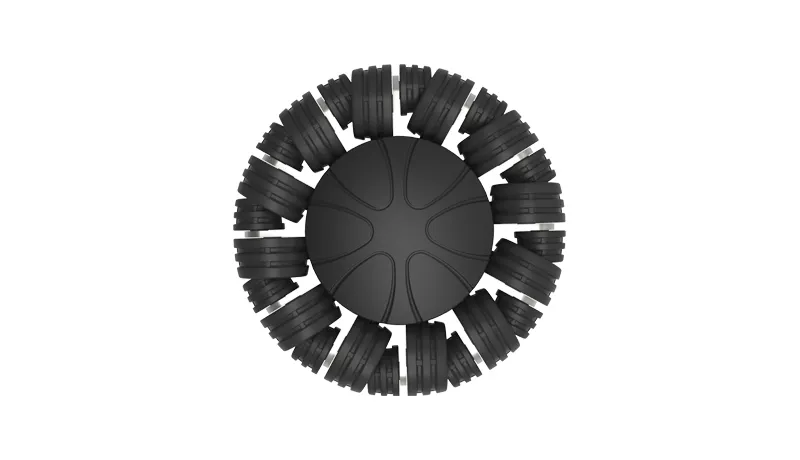
Omni Wheels: These wheels feature peripheral rollers mounted at a strict 90-degree angle, completely perpendicular to the primary hub. This means omniwheels transfer rolling forces directly forward or backward along a clean, singular axis, while the side rollers allow the wheel to slide laterally with minimal resistance.
Technical Performance Metric | Omni Wheels Configuration | Mecanum Wheels Configuration |
Primary Rolling Resistance | Ultra-Low (Clean, perpendicular contact lines) | Moderate to High (Constant diagonal friction) |
Drivetrain Power Loss | Low (Direct force transmission) | High (Up to 30% lost to opposing vector scrubbing) |
Vibration Profiles | Exceptional (Minimized via overlapping multi-roller designs) | High (Intermittent roller-to-floor striking gaps) |
Chassis Tracking Drift | Minimal (Predictable linear encoder accuracy) | High (Prone to lateral slippage on slick concrete) |
For indoor industrial fleets and precise navigation systems, the constant diagonal scrubbing of Mecanum wheels can create significant challenges. The friction forces wear down the tire material faster and place extra stress on the underlying electric motors, shortening the vehicle's operational battery life.
Precision & Control: Why Omni Wheels Are the Gold Standard for Millimeter-Level Robot Navigation
Autonomous mobile navigation platforms rely heavily on consistent wheel telemetry data to verify position metrics through SLAM (Simultaneous Localization and Mapping) or LiDAR arrays. This is an area where high-grade omnidirectional wheels offer a distinct mechanical advantage over Mecanum configurations.
Because Mecanum rollers sit at a 45-degree angle, they are prone to subtle micro-slippage when accelerating or traversing slick surfaces. This minor traction loss causes data drift in the wheel encoders, making the robot think it has traveled farther or turned sharper than it actually did in the physical space. Correcting this requires continuous sensor polling and adjustment, which complicates the underlying navigation algorithms.
Mechanical Vector Metric | Omni Wheels System | Mecanum Wheels System |
Primary Force Direction | Clean 90° Forward / Backward vector | Split 45° Diagonal vector |
Lateral Movement Method | Free rolling of perpendicular sub-rollers | Opposing rotational force vectors cancelling out |
Encoder Slip Frequency | Extremely Low (Direct mechanical engagement) | High (Continuous multi-axis sliding friction) |
Sensing Precision | Millimeter-level tracking accuracy | Requires continuous SLAM/LiDAR micro-corrections |
In contrast, premium omnidirectional casters eliminate rotational tracking delays. By aligning the core traction layer directly with the primary drive axis, the wheel ensures steady, reliable contact with the floor. This clean, perpendicular movement profile allows the platform to execute complex sideways crabbing and zero-radius turns with high tracking accuracy, providing the steady foundation needed for next-generation robotic systems.
Design & Maintenance: Lowering TCO (Total Cost of Ownership) with High-Quality Omni Directional Robot Wheels
For fleet managers and procurement teams, evaluating complex mechanics requires looking closely at long-term operational costs. Fleet uptime can drop quickly if wheels require frequent maintenance due to structural failures or debris ingress.
Mecanum wheel designs typically require specialized left- and right-handed configurations placed in a specific mirror pattern across the vehicle's frame. This means facilities must stock multiple distinct part variations to handle field repairs, complicating spare parts inventories. Additionally, the constant diagonal friction of Mecanum wheels often leads to accelerated tread wear, resulting in frequent flat-spotting and regular replacement cycles.
Deploying high-quality Omni Wheels helps lower total cost of ownership (TCO) through several key structural benefits:
Universal Swappability: Symmetrical design allows the same assembly to be used on any corner of the chassis, simplifying parts management and reducing inventory costs.
Debris Deflection: The streamlined perpendicular roller alignment helps shed lint, loose threads, and dust, preventing internal bearing clogs.
Even Material Wear: Direct, straight-line force vectors ensure the tread wears down evenly across the surface, extending the service life of the wheel.
Technical Synergy: Integrated Solutions: Pairing Your Omni Wheel Motor with Advanced Chassis Architectures
Maximizing the performance of an omnidirectional platform requires a well-engineered relationship between the mechanical wheel assembly and the electronic drive system. To simplify vehicle layouts, design teams are increasingly moving away from external gearboxes and drive belts.
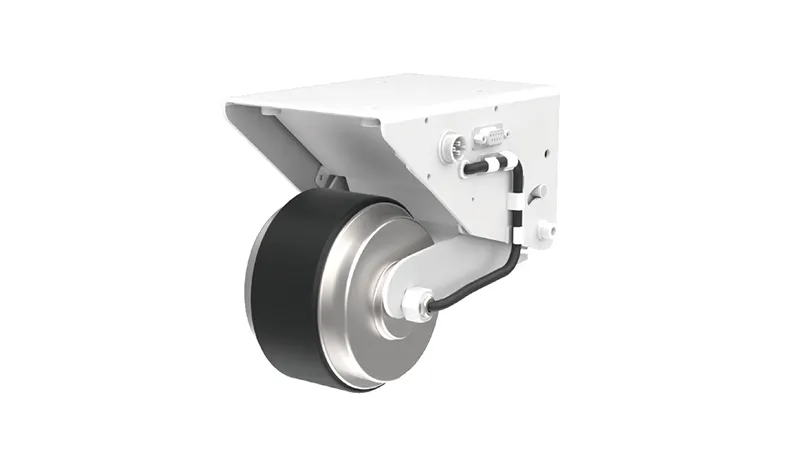
A highly efficient approach involves pairing premium wheels directly with an advanced omni wheel motor setup, such as an integrated direct-drive brushless hub motor. Placing the propulsion system directly inside the center wheel hub saves valuable space within the robot's primary chassis, leaving more room for high-capacity batteries and advanced computational hardware.
When building an omnidirectional car wheels layout, a common approach uses a three- or four-wheel drive configuration. This allows the vehicle's control software to manage movement vectors smoothly by simply varying individual motor speeds, eliminating the need for complex mechanical steering linkages.
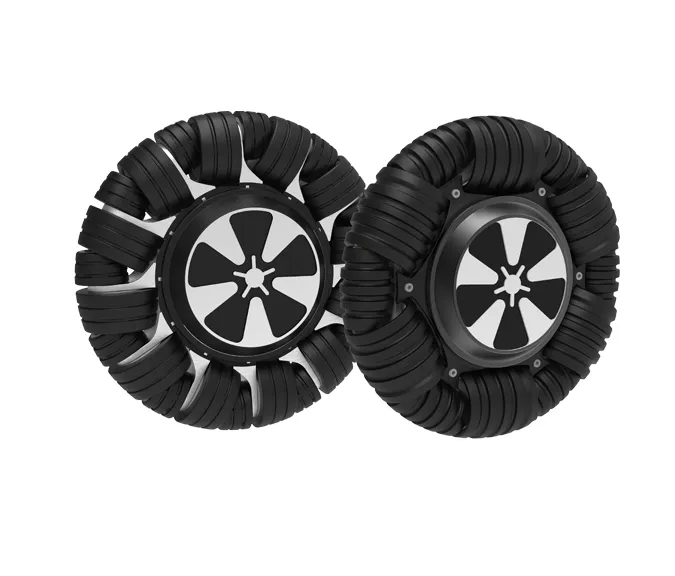
Partner Selection: SECURE: Your Trusted Global Source for Omni Wheels for Sale and Bespoke Mobility Solutions
Developing high-performance, autonomous mobility platforms requires reliable components backed by a scalable, trusted global supply network. SECURE Casters delivers industry-leading mobile drive technology across the robotics, medical equipment, logistics, and smart automation sectors.
Manufacturing Metric | SECURE Casters Capability Specifications |
Proven Quality | Awarded the prestigious German iF Design Award for innovative, high-precision wheel engineering. |
Scalable Supply | Self-owned manufacturing plant delivering an annual output of over 3 million premium wheel sets. |
Advanced Materials | Uses premium Polyamide 6 (PA6) structures paired with cleanroom-safe, non-marking medical-grade TPU/TPE treads. |
Our advanced Omni Wheels feature a unique overlapping roller configuration that ensures continuous ground contact, significantly reducing structural vibrations and acoustic noise. This design makes them an ideal choice for noise-sensitive, high-precision settings like hospital operating rooms and advanced automated laboratories. Whether your engineering team requires standardized options or custom OEM/ODM solutions tailored to specific bearing depths and loading profiles, SECURE Casters provides reliable components designed to keep your operations moving smoothly.
Conclusion: Driving the Future of Automation with Advanced Omni Directional Casters
When evaluating omni wheels vs mecanum wheels, the optimal choice depends on your platform's specific operating environment and precision requirements. While Mecanum wheels offer a functional option for some heavy-duty industrial platforms, their diagonal friction profiles can lead to tracking drift, higher energy consumption, and increased component wear over time.
Upgrading to high-performance omni directional casters helps protect your fleet against premature tracking errors and unnecessary battery drain. This configuration provides the smooth movement and tracking accuracy that modern autonomous systems need to operate efficiently. If you are ready to enhance your platform's capabilities with award-winning wheel technology, explore our complete selection of premium Omni Wheels for Sale or contact us today to speak with one of our application engineers about your specific design goals.