For a medical equipment OEM, choosing a caster supplier is not only a purchasing decision. The caster affects equipment mobility, braking, installation, floor interaction, cleaning, and long-term service. That makes supplier evaluation more important than comparing catalogs or unit prices.
When comparing castor wheel manufacturers, buyers should focus on four areas: application fit, engineering capability, quality and compliance systems, and production consistency. SECURE develops mobility solutions for medical care, education, logistics, robotics, and intelligent equipment, with an in-house factory and dedicated medical caster product range.
What Should OEM Buyers Verify First?
Start with product relevance. A supplier that mainly sells general furniture casters may not have the same experience as a medical caster manufacturer working with hospital beds, medical carts, mobile workstations, or healthcare equipment. Ask which product families are actually produced, what braking systems are available, and whether the supplier can work from your equipment drawing.
Next, verify whether the supplier can match the required load, wheel diameter, mounting height, brake mode, tread material, and floor condition. A broad catalog is useful only if the engineering team can narrow it to the correct configuration.
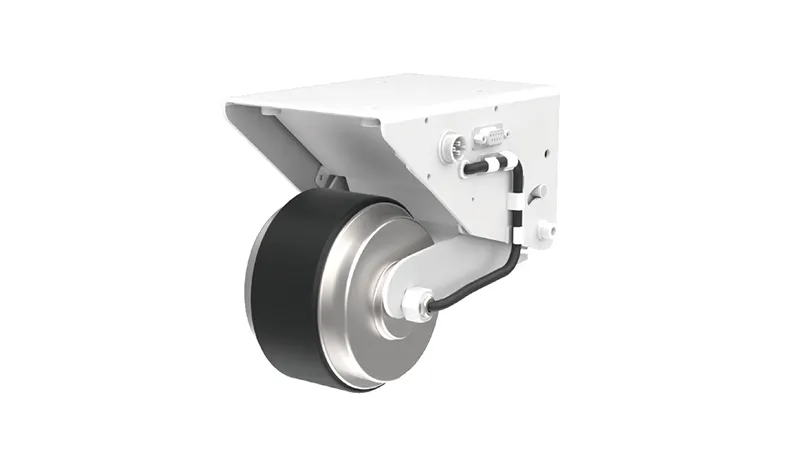
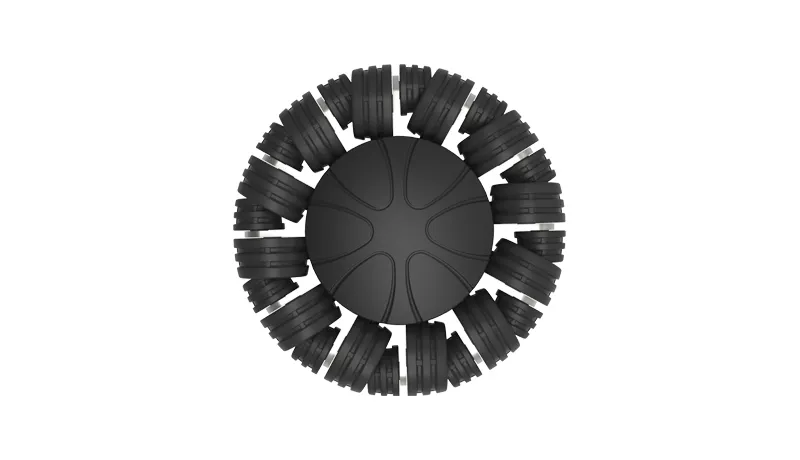
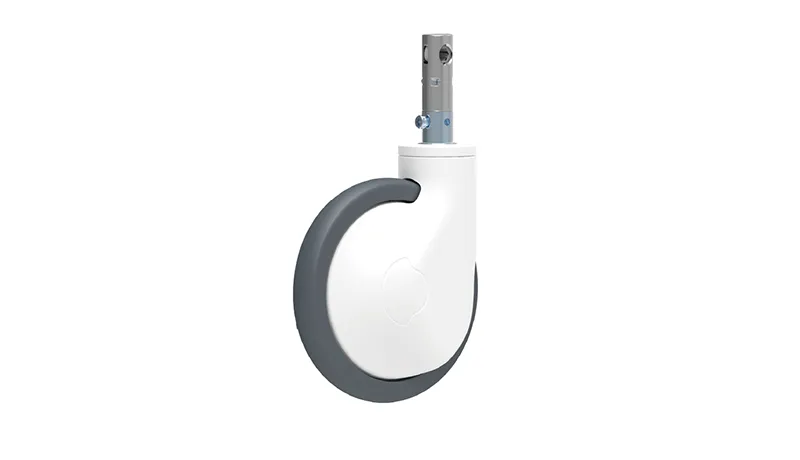
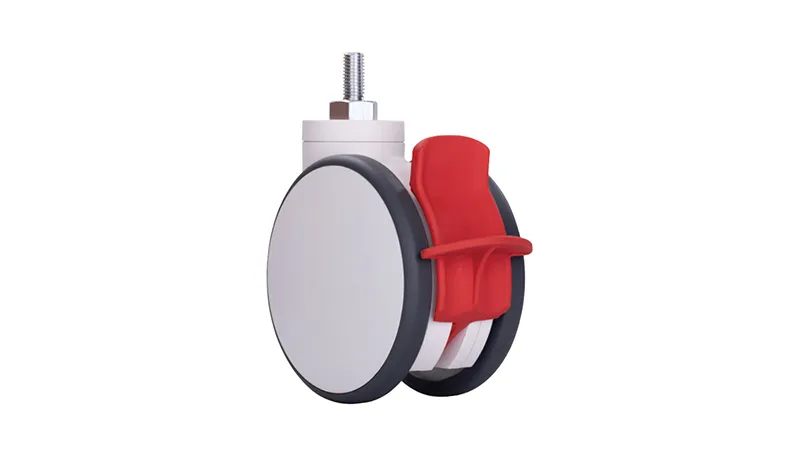
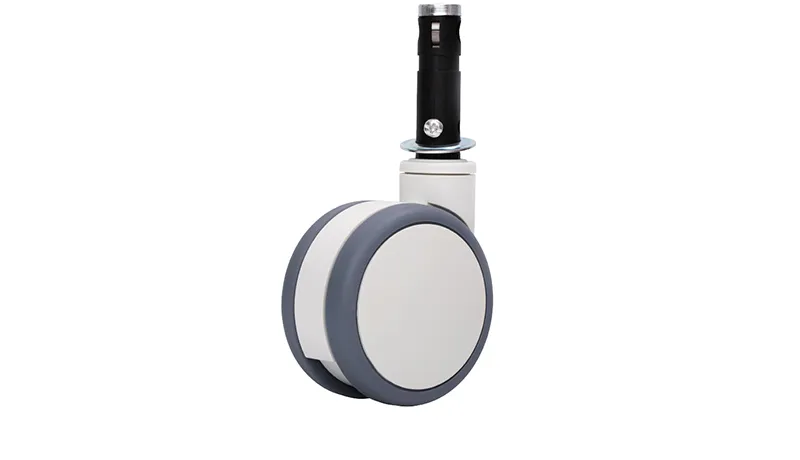
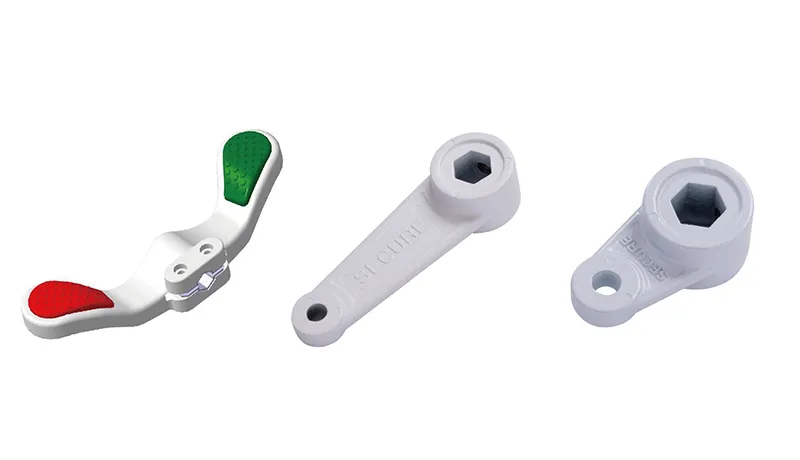
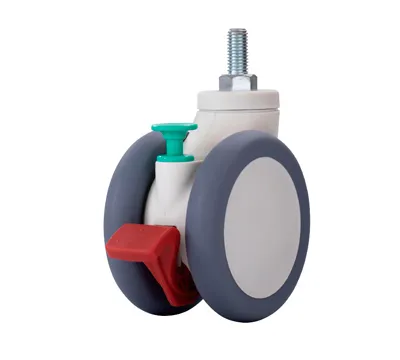
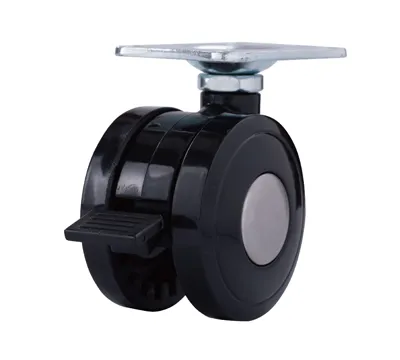
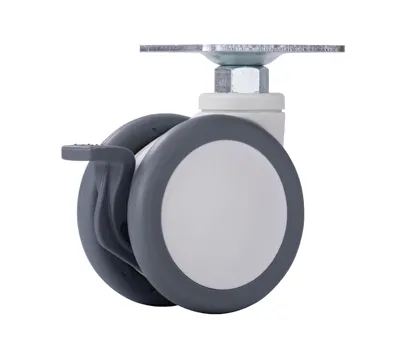
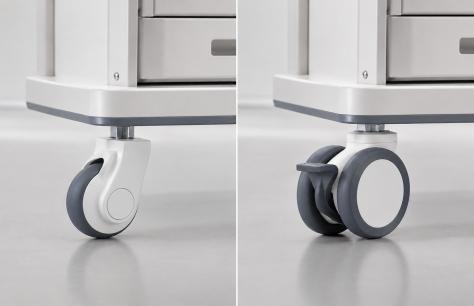
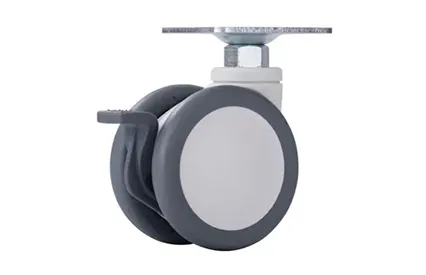
For SECURE, the current medical caster range includes central locking casters, single-wheel casters, twin-wheel casters, motorized casters, robot wheels, and accessories.
How Should Manufacturing, Quality and Compliance Be Compared?
Evaluation Area | What to Ask the Supplier | Why It Matters |
Factory capability | Which processes are in-house? How many production lines are used? What is normal annual capacity? | Helps assess scalability, process control and supply continuity |
Quality system | Which quality-management systems are currently maintained? | Shows how design, production and corrective actions are controlled |
Product testing | What load, rolling, braking, endurance or application tests are performed? | Reduces the risk of selecting a caster based only on appearance or catalog claims |
Compliance evidence | Which standards or compliance documents apply to the exact product being quoted? | Avoids treating company-level certificates as proof for every SKU |
Engineering support | Can the team review drawings, mounting dimensions and brake interfaces? | Important for OEM integration and avoiding rework |
Traceability and change control | How are materials, drawings and revisions controlled? | Helps maintain consistency across repeat orders |
Customization | What can be changed without creating unacceptable technical risk? | Clarifies whether color, logo, material, mounting or structure changes are feasible |
ISO 13485 is an internationally recognized quality-management standard for organizations involved in the design and manufacture of medical devices and related services. It is a useful reference when medical OEMs evaluate supplier quality systems. Buyers should still verify the scope and validity of the supplier's actual certificate rather than assuming a standard name covers every activity.
SECURE lists ISO 13485, ISO 9001, ISO 14001 and ISO 45001 on its website. Its product page also states that applicable medical caster products are developed to meet CE, EN 12531, RoHS and REACH requirements. For a RoHS compliant caster, procurement teams should ask for product-specific evidence where required by the project.
For regulatory background, see ISO 13485:2016.
What Information Should Be Included in an OEM Caster RFQ?
A precise RFQ makes it easier to compare suppliers fairly. Include the equipment type, total working load, caster quantity, wheel diameter, mounting method, mounting height, brake requirement, floor type, cleaning environment, movement frequency, target market, expected annual volume, and any OEM customization.
If the project uses central locking, also provide the control concept and linkage or pedal requirements. If it is a robot or intelligent device, include the chassis layout and whether the wheel is passive, powered, or part of a motion-control system.
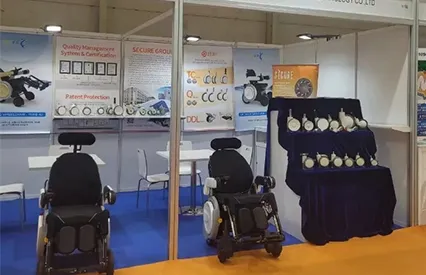
At SECURE, the website states that the in-house factory operates six production lines, including two fully automatic lines, with annual capacity of 3 million sets of high-end casters. The company also states that its R&D team has filed 213 patents, with 63 granted. These figures can help buyers understand scale, but the final supplier decision should still be based on the exact product, project documentation, samples, and validation required.
OEM buyers comparing a medical caster supplier in China should also confirm communication speed, drawing control, sample approval, production lead time, packaging, and after-sales support.
Conclusion
The best castor wheel manufacturers are not necessarily the ones with the largest catalogs or the lowest unit price. For medical equipment OEM projects, the stronger supplier is the one that can demonstrate product fit, stable manufacturing, controlled quality, relevant compliance evidence, and engineering support throughout sample approval and production.
SECURE can review caster drawings and application requirements for medical beds, carts, workstations, robots, and intelligent equipment. Buyers can use the SECURE product portfolio to identify a starting product family and then submit project details for technical matching.
FAQs
What is the most important question to ask a medical caster manufacturer?
Ask whether the supplier can recommend and validate a caster for your exact equipment load, mounting, braking, floor and duty-cycle requirements.
Does ISO 13485 certification mean every caster is certified as a medical device?
No. ISO 13485 is a quality-management-system standard. Buyers should verify the scope of the certificate and the product-specific compliance or test evidence required for their project.
Should I choose a caster factory based only on annual capacity?
No. Capacity matters for supply continuity, but product engineering, quality control, testing, documentation and consistent repeat production are equally important.
What should I send before requesting samples?
Send the equipment drawing, load, wheel size, brake mode, mounting dimensions, floor condition, expected quantity and any special compliance or customization requirements.