Choosing the right medical casters is not only a product selection task. For hospital beds, nursing carts, diagnostic equipment and mobile medical workstations, caster performance affects safety, movement comfort, braking reliability and daily clinical efficiency. A caster that works well on a light cart may not be suitable for a patient bed. A wheel that rolls quietly on a smooth hospital floor may still fail if the brake mode, load rating or installation structure does not match the equipment.
SECURE supplies medical caster wheels for hospital beds, medical carts, medical equipment and intelligent mobility systems. You can start from the full medical casters and wheels product range and then select the right series based on application, load, brake mode and installation needs.
What Are Medical Casters?
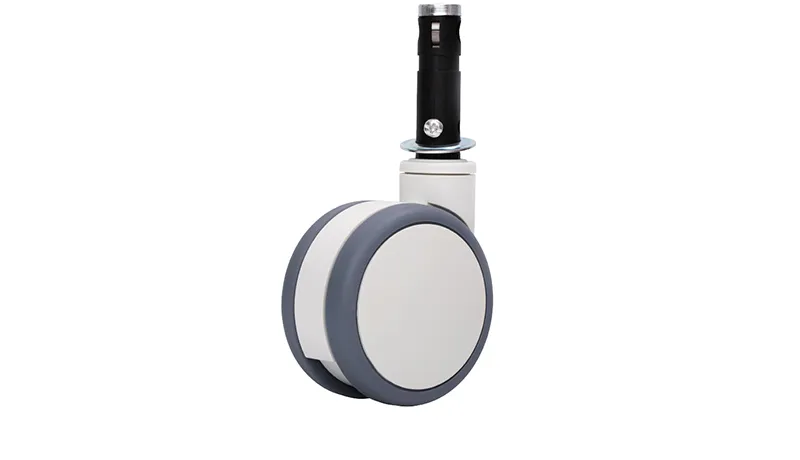
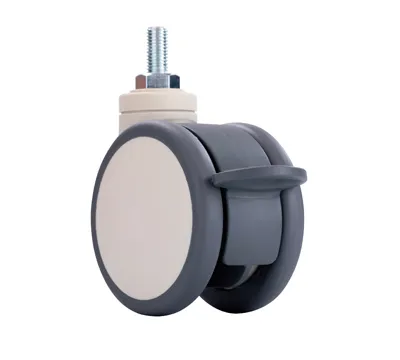
Medical casters are caster wheels designed for medical equipment, hospital furniture and healthcare environments. Compared with general furniture casters, medical equipment casters usually need better braking safety, quieter rolling, smoother steering, non-marking tread materials and stronger reliability under frequent movement.
In real purchasing decisions, buyers should not select casters only by wheel size. A suitable medical caster should match the equipment structure, patient or equipment load, hospital floor condition, cleaning requirements and daily movement frequency.
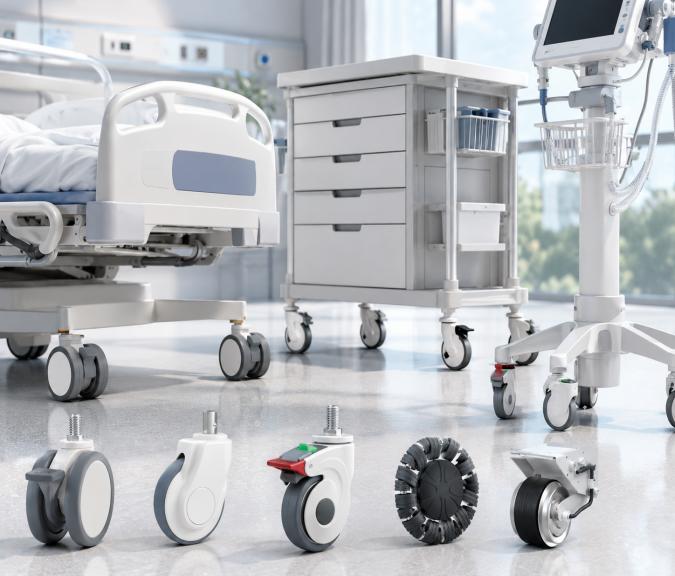
Medical Caster Selection Table by Application
Application | Recommended Caster Type | Key Requirements | Suggested SECURE Page |
Hospital beds and nursing beds | Central locking casters or hospital bed wheels | Synchronized braking, smooth transfer, stable parking, easy cleaning | Hospital Bed Wheels / Central Lock Casters |
Medical carts and nursing carts | Single wheel casters, twin wheel casters or medical cart wheels | Flexible steering, low noise, non-marking tread, reliable brake option | Medical Cart Wheels |
Diagnostic equipment | Single wheel or twin wheel medical casters | Compact installation, smooth repositioning, indoor floor protection | Single Wheel Casters / Twin Wheel Casters |
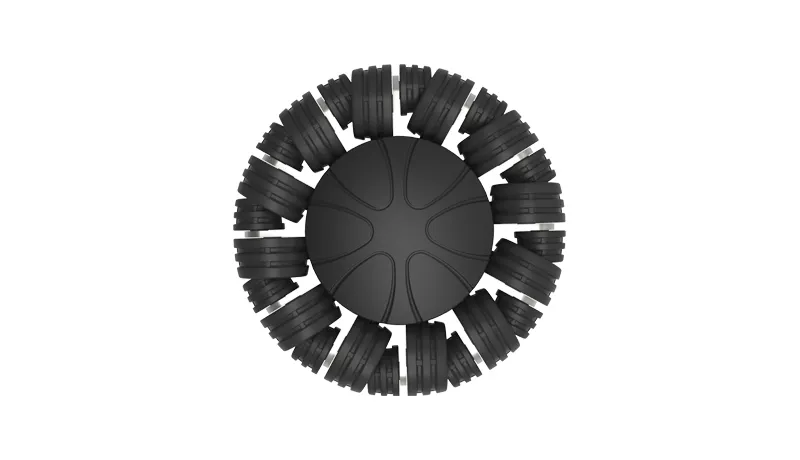
Service robots and smart equipment | Robot casters, omni wheels or hub motor wheels | Movement stability, low rolling resistance, multi-directional movement | Robot Casters / Omni Wheels |
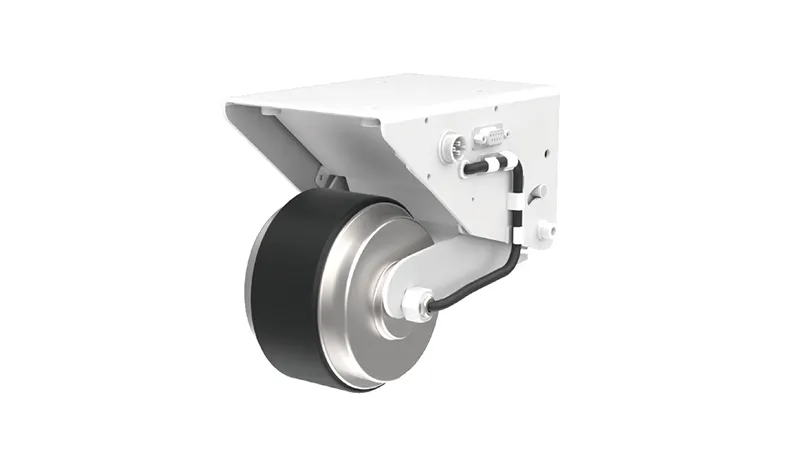
Powered medical platforms | Motorized casters or hub motor wheels | Assisted movement, drive integration, control compatibility | Motorized Casters / Hub Motor Wheels |
Key Factors Before Choosing Medical Caster Wheels
The first factor is load capacity. Buyers should calculate the total working weight of the equipment, including the device body, accessories, battery, patient load or payload. Then divide it by the number of casters and leave a safety margin. This is especially important for hospital beds and mobile equipment that may carry uneven loads.
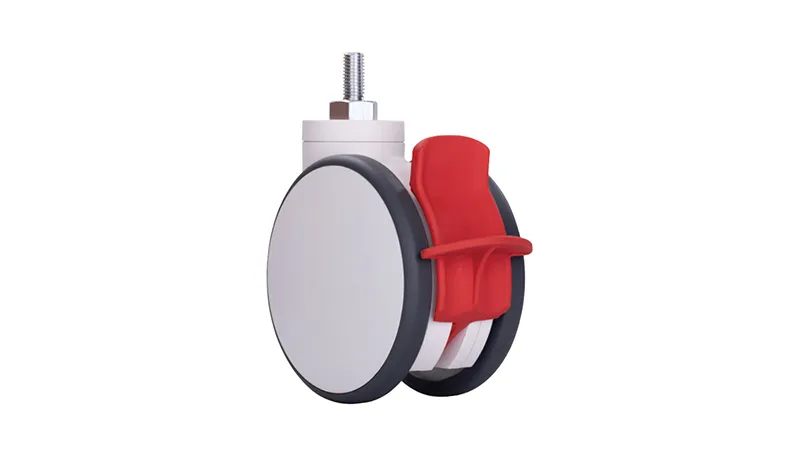
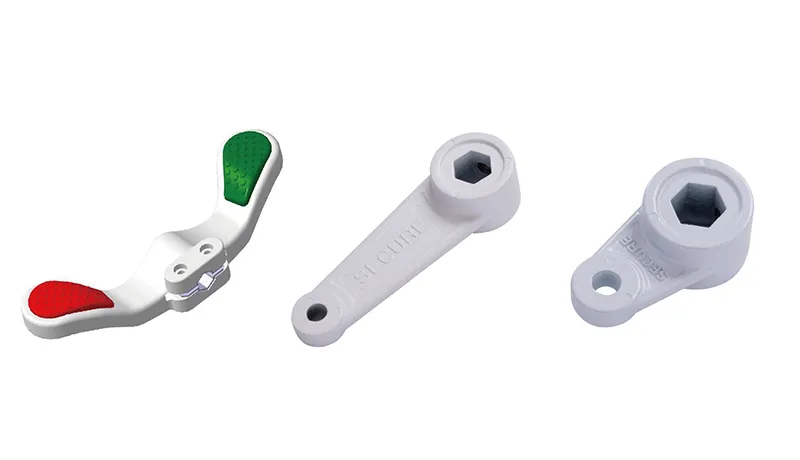
The second factor is brake mode. Hospital beds often need central locking systems or directional locks. Medical carts may use total brakes or brake-free casters depending on the application. Equipment used in narrow corridors may require better steering control, while devices that must remain stable during treatment need stronger locking performance.
The third factor is wheel material. In medical environments, the wheel tread should support quiet movement, floor protection and easy cleaning. TPU, TPE, PA or other material options may be selected depending on load, noise level, rolling resistance and floor condition.
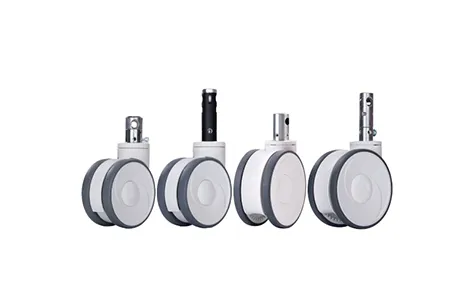
The fourth factor is installation method. Common options may include stem, plate, bolt hole, threaded stem or customized mounting structures. If the caster does not match the equipment frame, even a high-quality wheel may create installation problems.
Hospital Bed Wheels Need Safer Braking
For hospital beds, the caster is part of the safety system. Hospital bed wheels must support patient transfer, bed positioning, cleaning movement and safe parking. In many hospital bed projects, medical casters with central locking systems are preferred because they allow operators to control multiple wheels through a linked brake mechanism.
When selecting bed casters, buyers should confirm bed weight, patient load, wheel diameter, brake control mode, stem or installation size and floor condition. If the bed is moved frequently in corridors or wards, quiet rolling and easy directional control should be considered early in the design stage.
Medical Cart Wheels Need Flexible Daily Movement
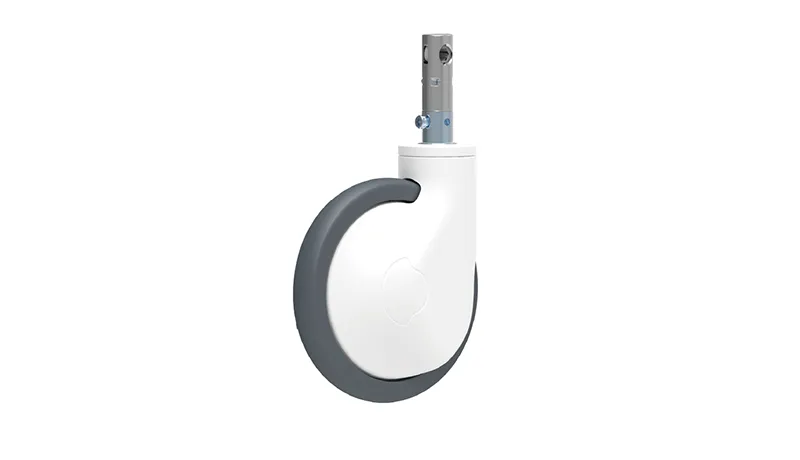
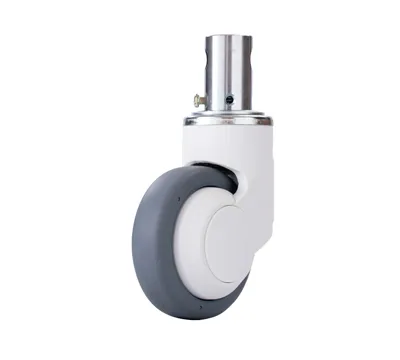
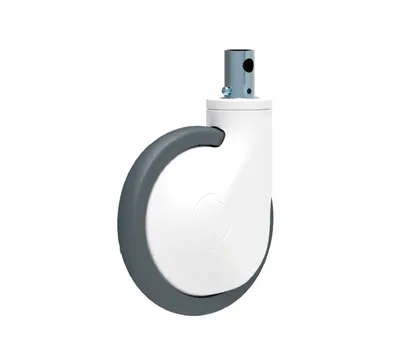
Medical carts are used in nursing, anesthesia, monitoring, treatment and mobile workstation applications. Compared with hospital beds, carts usually require better maneuverability and easier turning. For this reason, medical cart wheels may use single wheel casters, twin wheel casters or special medical cart caster structures based on cart height, total load and brake preference.
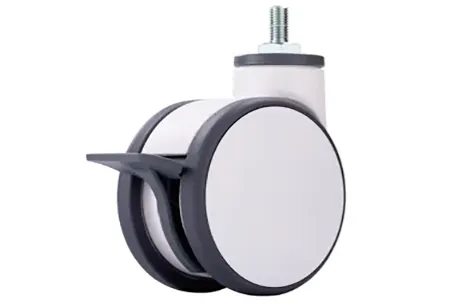
For lightweight carts, compact single wheel casters can be a practical option. For carts that need better stability, premium appearance or smoother steering, twin wheel casters may be more suitable. The best choice depends on the cart structure and how often the equipment is moved.
Medical Equipment Casters for OEM Projects
For OEM medical equipment, caster selection should begin during the product design stage. The caster affects not only movement but also equipment height, base stability, braking layout, appearance and user experience. If the equipment will be produced in volume, the buyer should also confirm drawing availability, sample testing, material options and long-term supply capability.
SECURE can support selection for medical equipment casters based on equipment drawings, target load, floor condition and OEM requirements. For custom projects, buyers can contact SECURE for caster selection support through the contact page.
Conclusion
The right medical caster wheels should match the application, load capacity, brake mode, wheel material, installation structure and hospital floor condition. For hospital beds, braking safety is the priority. For medical carts, smooth steering and daily usability matter more. For intelligent equipment, movement control and integration may become the main focus.
If you are not sure which caster series fits your equipment, start with application type and total working weight, then confirm brake mode and installation method. This will make the selection process clearer and reduce the risk of choosing the wrong caster.
FAQ
What are medical casters used for?
Medical casters are used on hospital beds, nursing beds, medical carts, diagnostic equipment, mobile workstations, rehabilitation devices and smart medical equipment.
How do I choose medical caster wheels?
Start with equipment type, total working weight, floor condition, brake mode, wheel diameter and installation method. Then select a caster series that matches the application.
Are central locking casters necessary for hospital beds?
They are often recommended for hospital beds because they support centralized brake control and safer patient transfer. You can view SECURE central locking casters for related options.
Can medical casters be customized for OEM equipment?
Yes. OEM projects may require customized wheel diameter, color, tread material, installation structure, brake design or drawings.