Precision Mobility as the Foundation of Modern Medical Equipment
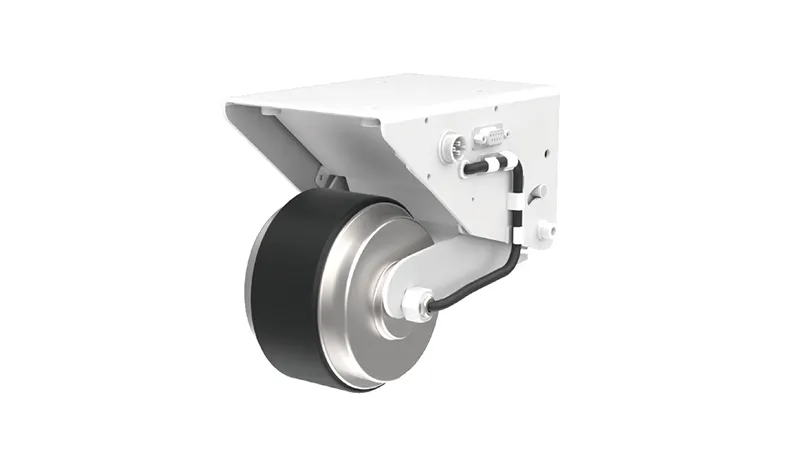
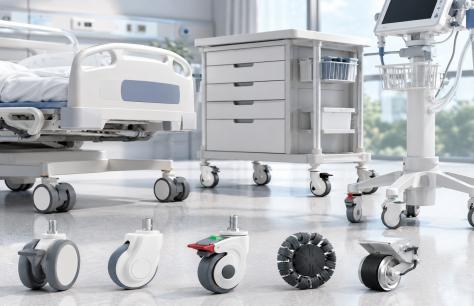
In modern healthcare systems, mobility is no longer treated as a secondary mechanical requirement. Instead, it has become an essential part of medical equipment performance, directly affecting usability, safety, and overall workflow efficiency. From hospital beds and treatment carts to diagnostic systems and rehabilitation devices, almost every type of equipment relies on medical caster wheels to achieve controlled movement.
As healthcare environments continue to evolve toward higher standards of patient comfort and operational efficiency, expectations for mobility components have significantly increased. It is no longer sufficient for a caster to simply move equipment from one point to another. Today’s medical equipment casters must ensure smooth motion, precise control, structural stability, and, increasingly important, quiet operation.
Among the most widely adopted solutions in this transformation is the single wheel caster, which enhance safety and operational control without compromising mobility or silence.
Why Single Wheel Casters Are Central to Modern Medical Equipment Design
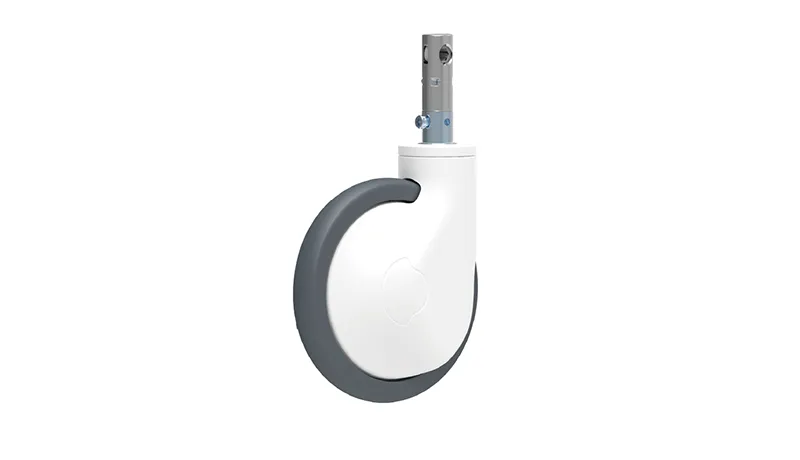
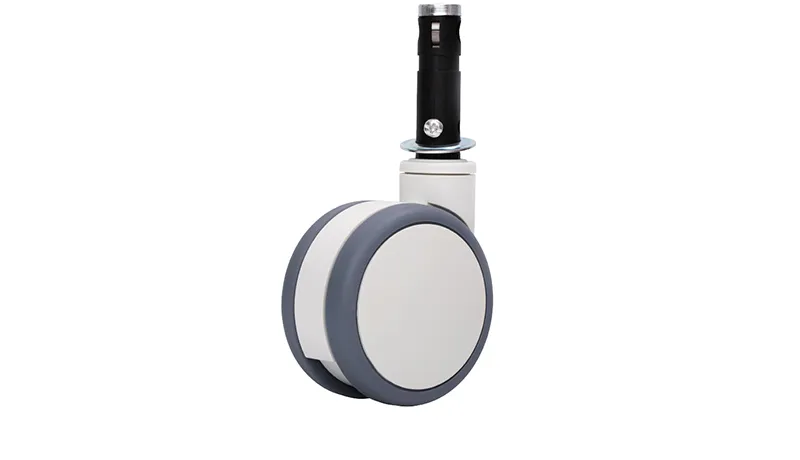
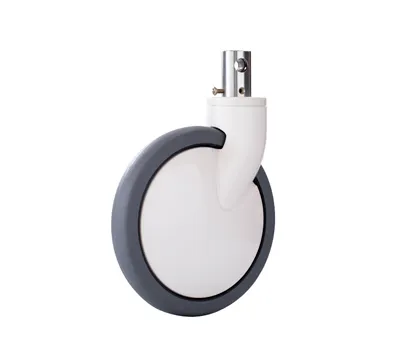
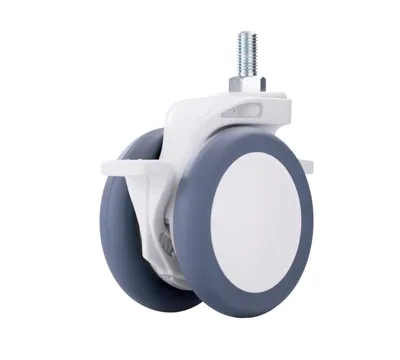
The single caster wheel is one of the most widely used configurations in healthcare mobility systems. Its structure is compact, efficient, and highly responsive, making it ideal for a wide range of applications including IV stands, medical carts, mobile diagnostic units, and patient support equipment.
One of the key advantages of single wheel casters is their ability to deliver precise directional control. In environments where space is limited and equipment must move frequently through narrow corridors or crowded wards, this responsiveness becomes essential. Caregivers can maneuver equipment smoothly without excessive force, improving both efficiency and safety.
From a design perspective, the simplicity of the single wheel structure also contributes to better motion stability. Fewer mechanical layers mean fewer points of vibration and noise generation. When combined with high-quality materials, this results in significantly quieter movement compared to conventional low-grade medical wheels.
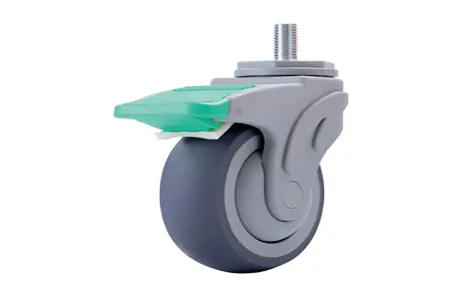
Engineering Silence in Medical Caster Wheels
Noise reduction in medical caster wheels is not achieved by a single feature, but through the integration of multiple engineering elements working together.
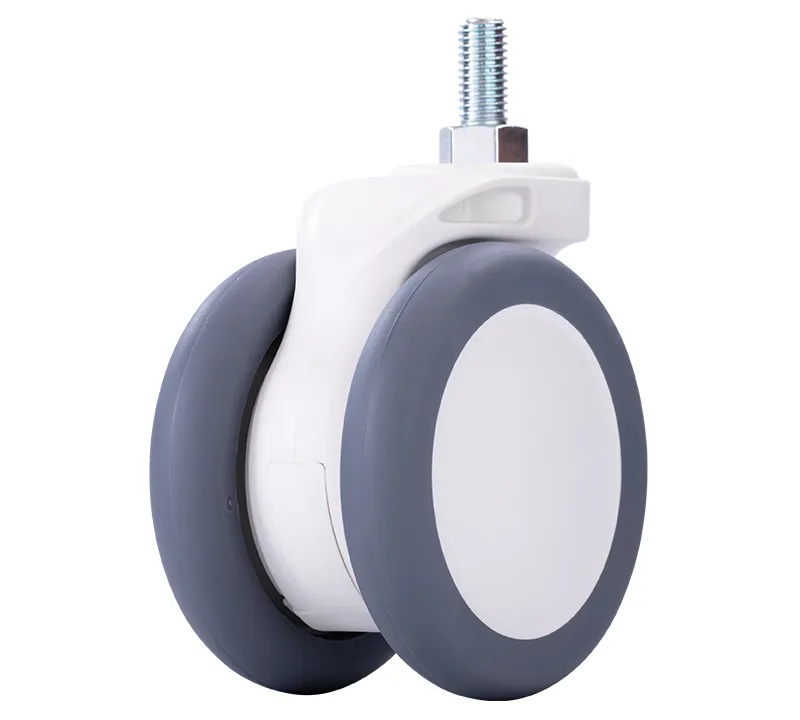
Material selection is one of the most important factors. High-performance materials such as thermoplastic rubber and polyurethane are commonly used in medical equipment wheels because they absorb vibration and reduce impact noise. These materials allow the wheel to maintain smooth contact with the floor surface, even on hard hospital flooring such as tile or epoxy.
Equally important is the bearing system. Precision bearings are essential in ensuring smooth and continuous rotation. In high-quality medical device casters, these bearings reduce internal friction and eliminate the irregular motion that often causes squeaking or grinding sounds during movement.
Structural integrity also plays a key role in maintaining quiet performance over time. A well-designed caster medical structure ensures that components remain tightly aligned, preventing looseness that could lead to vibration or mechanical noise. Additionally, dust-resistant and anti-entanglement designs help maintain long-term stability in demanding healthcare environments.
When these engineering elements are combined, the result is a medical caster wheel that moves quietly, smoothly, and reliably even under frequent daily use.
The Role of Single Wheel Casters in Healthcare Environments
In hospitals, medical casters are used in nearly every type of mobile equipment. The performance of these components directly affects workflow efficiency and environmental comfort. Quiet single wheel casters help reduce unnecessary noise during patient transport, equipment relocation, and routine medical procedures.
In nursing homes, where residents live long-term, the importance of low-noise mobility becomes even more evident. Continuous exposure to mechanical sounds can affect comfort and overall well-being. High-quality medical castor wheels contribute to a calmer environment, supporting both caregivers and residents in daily activities.
In rehabilitation centers, smooth and quiet movement is essential for patient safety. Equipment must often be repositioned during therapy sessions, and stable medical equipment wheels help ensure that these movements do not create distractions or discomfort for patients undergoing recovery.
Across all these environments, the single caster wheel serves as a foundational component that supports both functional mobility and environmental quality.
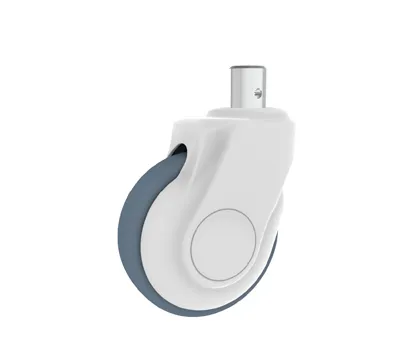
SECURE as a Specialized Medical Caster Wheels Manufacturer
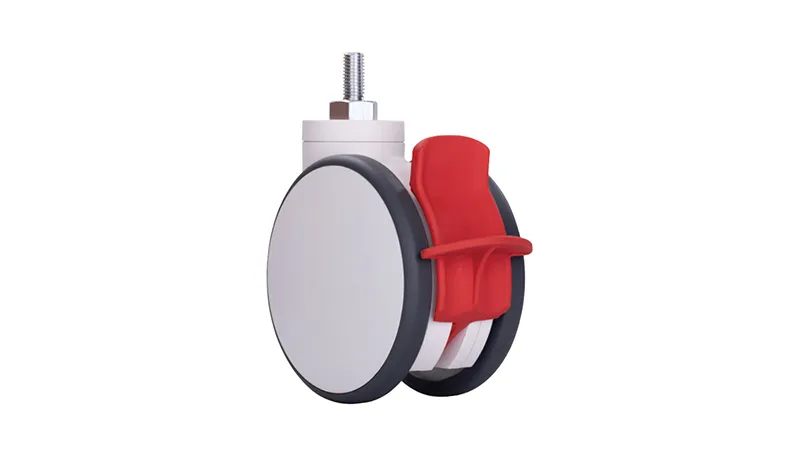
As a professional medical caster wheels manufacturer, SECURE has developed a strong reputation for delivering high-performance mobility solutions tailored specifically to healthcare applications. Its product portfolio focuses on precision-engineered medical casters, with a strong emphasis on single wheel caster systems integrated with central lock functionality.
Rather than treating casters as simple accessories, SECURE approaches them as critical components of medical equipment systems. This design philosophy ensures that every product is optimized for real-world hospital and care facility conditions.
SECURE’s medical wheels are widely used in hospital beds, diagnostic equipment, mobile carts, and nursing systems. Each product is designed with a focus on smooth rolling resistance, structural stability, and most importantly, quiet performance.
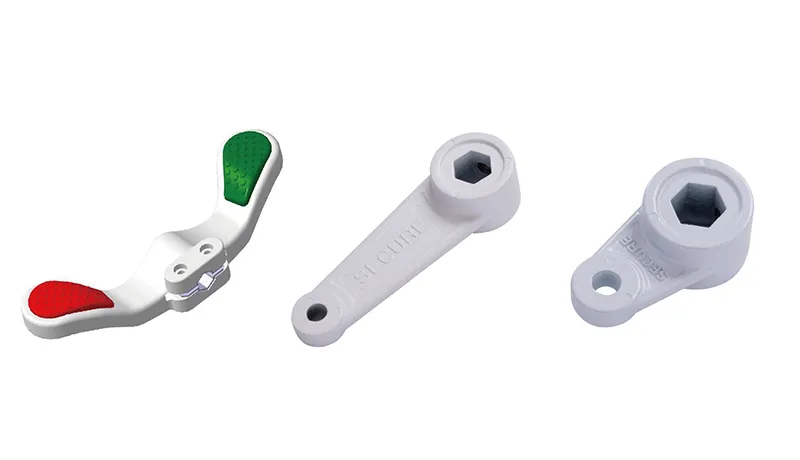
The integrated central locking wheel systems developed by SECURE are particularly notable for their reliability and ease of use. They allow caregivers to control equipment positioning efficiently while maintaining a stable and silent operating experience.
As a global wheel medical company, SECURE continues to serve healthcare institutions, rehabilitation centers, and medical equipment manufacturers worldwide, providing solutions that align with international quality and safety standards.
Application Value in Healthcare Environments
The impact of high-quality medical caster wheels is most evident in daily healthcare operations. In hospital wards, silent mobility ensures that patient rest is not disrupted during nighttime care activities. Equipment such as beds and carts can be moved smoothly without generating unnecessary noise.
In intensive care units, where precision and concentration are critical, quiet medical equipment casters support both staff efficiency and patient stability. Even small reductions in environmental noise can contribute to improved care outcomes.
In nursing homes, the combination of smooth rolling single caster wheels and controlled central locking functionality enhances both comfort and safety. Caregivers can move equipment discreetly, maintaining a calm and respectful living environment for residents.
In rehabilitation centers, stable and silent movement supports therapy processes by reducing distractions and ensuring safe equipment handling during patient exercises.
Across all these environments, the value of well-engineered medical casters extends far beyond mobility—it becomes part of the overall care experience.
Conclusion Quiet Precision as the Future of Medical Mobility
The evolution of castor medical technology reflects a broader transformation in healthcare design, where every component is evaluated not only for function but also for its impact on human experience.
The integration of single wheel casters represents a significant advancement in this field, combining flexibility, safety, and quiet performance into a unified solution. Through continuous innovation, SECURE has positioned itself as a leading force in this development, delivering medical caster wheels that meet the demanding expectations of modern healthcare environments.
In today’s hospitals, nursing homes, and rehabilitation centers, mobility is no longer just about movement—it is about creating a quieter, safer, and more controlled environment for healing.